




What's Happening?
The U.S. Environmental Protection Agency (EPA) has officially transferred authority for hazardous waste regulation to the Alaska Department of Environmental Conservation (DEC). This transfer makes Alaska the 49th state to gain hazardous waste primacy
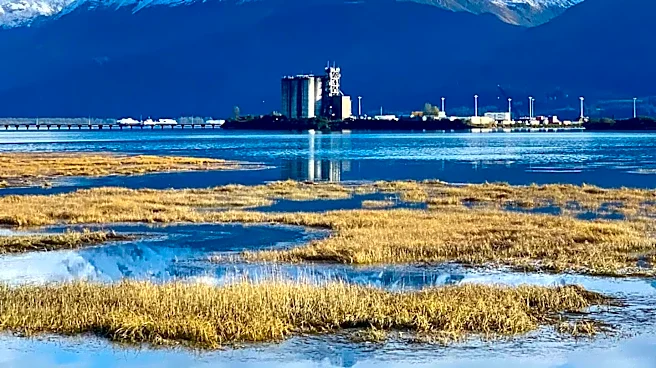
under the Resource Conservation and Recovery Act (RCRA). The transition, marked by a signature ceremony, has been in development for several years and involves the DEC managing hazardous waste regulation and enforcement. The state has already established a hazardous waste program and team, with regulations effective for over a year. The transfer aims to enhance local management of hazardous waste, which poses unique challenges due to Alaska's geographic remoteness.
Why It's Important?
The transfer of hazardous waste management authority to Alaska is significant as it allows for more localized and potentially more efficient handling of hazardous waste issues. Alaska's unique geographic challenges, such as remote communities and lack of in-state disposal facilities, require tailored solutions that a state-managed program can better address. This change could lead to improved environmental protection and public health outcomes in Alaska. Additionally, the state's ability to manage hazardous waste effectively is crucial for preventing environmental contamination and ensuring compliance with federal standards.
Beyond the Headlines
Alaska's new responsibility for hazardous waste management highlights the broader issue of environmental governance in remote and challenging terrains. The state's approach to managing hazardous waste could serve as a model for other regions with similar geographic challenges. The transition also underscores the importance of state-federal collaboration in environmental management, as the EPA continues to support Alaska's efforts. The success of this program could influence future decisions on environmental policy and resource allocation in other states.