



What's Happening?
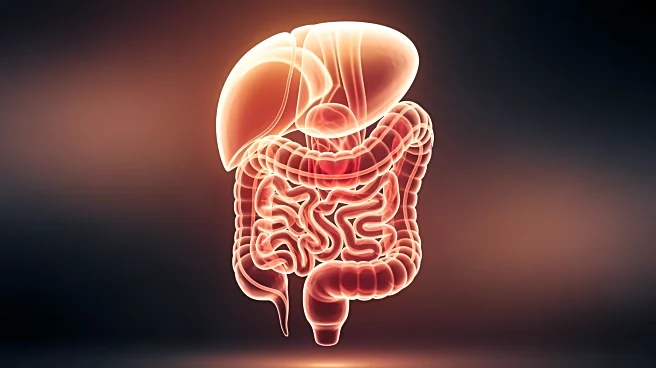
Researchers at City of Hope and the Translational Genomics Research Institute (TGen) have identified a mechanism by which obesity increases cancer risk. The study, published in Cancer Research, shows that as individuals gain weight, their organs enlarge,
increasing the number of cells and the potential for DNA errors during cell division. This process, known as hyperplasia, was found to be a significant factor in the development of cancer, alongside inflammation and hormonal imbalances. The study involved 747 adults across the BMI spectrum, revealing that organ size increased with body weight, leading to a higher risk of cancer. The findings suggest that organ size, rather than BMI, may be a more accurate predictor of cancer risk.
Why It's Important?
This research provides a clearer understanding of how obesity contributes to cancer risk, emphasizing the importance of maintaining a healthy weight from an early age. The study's findings could influence public health strategies and individual health choices, potentially leading to new guidelines for cancer prevention. By identifying organ enlargement as a key factor, the research highlights the need for more precise measures than BMI to assess cancer risk. This could lead to more targeted interventions and treatments, benefiting individuals at risk of obesity-related cancers and potentially reducing healthcare costs associated with cancer treatment.
What's Next?
Future research will explore whether weight loss can reduce organ size and cancer risk, and the potential impact of anti-obesity drugs on cancer prevention. The study's authors suggest that understanding the relationship between organ size and cancer risk could lead to new therapeutic approaches. Additionally, the findings may prompt further investigation into the role of organ size in other obesity-related diseases, potentially leading to broader applications in medical research and treatment.