








What's Happening?
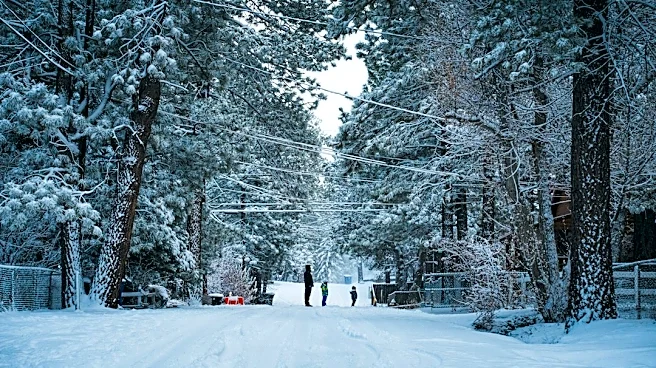
Cincinnati city officials, including Mayor Aftab Pureval, City Manager Sheryl Long, and Department of Public Services Director Mark Riley, have announced an updated winter preparedness plan. This initiative follows two consecutive winters, specifically
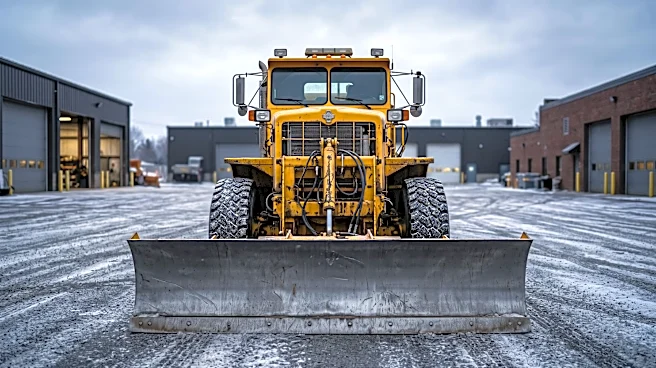
January and December 2025 through January 2026, which saw significant snowfall and operational difficulties, including plows failing to reach certain areas like Mt. Adams. The new plan is the result of two years of work focused on improving snow response protocols, integrating additional technology, enhancing transparency, and boosting driver safety and operations. A key component of this update is the introduction of a new third-party vendor for the city's snow plow tracker, which previously experienced failures due to high user traffic. The new ETCH Snowplow Tracker will feature upgraded GPS technology in trucks to provide more reliable tracking and a clearer picture of snow treatment operations across the city. Operators have also undergone training in classrooms and on obstacle courses to prepare for the upcoming winter season, with plans to deploy 65 trucks and drivers per shift during winter weather events.
Why It's Important?
This enhanced winter preparedness plan is crucial for Cincinnati residents and businesses, directly addressing past frustrations and potential economic disruptions caused by inadequate snow removal. Improved snow removal operations mean safer roads, reducing the risk of accidents and ensuring emergency services can operate effectively. For businesses, clear roads facilitate commerce and employee commutes, minimizing lost productivity and revenue during severe weather. Residents, particularly those in areas previously underserved, stand to gain from more reliable access to their homes and essential services. The investment in new technology, such as the upgraded snow plow tracker, signifies a commitment to transparency and accountability, allowing the public to monitor the city's response in real-time. This proactive approach aims to mitigate the negative impacts of winter weather, fostering greater public trust and ensuring the city's infrastructure can withstand challenging conditions, thereby protecting both public safety and economic stability.
What's Next?
As winter approaches, the effectiveness of Cincinnati's new preparedness plan will be tested. The city will closely monitor the performance of the new ETCH Snowplow Tracker and the overall efficiency of snow removal operations. Public feedback, similar to the input from residents like Christy Barton who noted improvements in previous years, will be critical in assessing the plan's success. City officials will likely conduct post-winter reviews to evaluate the updated protocols and technology, making further adjustments as needed. The ongoing training for operators and the planned deployment of 65 trucks per shift indicate a readiness to respond to anticipated heavy snowfalls. The success of this plan could set a precedent for other municipalities facing similar winter weather challenges, potentially influencing best practices in urban snow management and public service delivery.
Beyond the Headlines
Beyond the immediate practical benefits of clearer roads, Cincinnati's updated winter preparedness plan reflects a broader shift towards data-driven governance and enhanced public engagement. The move to a new, more robust snow plow tracker vendor underscores the increasing reliance on technology to improve municipal services and foster transparency. This initiative also highlights the importance of learning from past operational failures and proactively investing in infrastructure and training to prevent future disruptions. The city's commitment to driver safety and operational efficiency not only protects its employees but also contributes to a more resilient urban environment. This approach could inspire other cities to re-evaluate their emergency response strategies, emphasizing the long-term benefits of strategic planning and technological adoption in addressing recurring civic challenges, ultimately enhancing the quality of life for urban populations.