







What's Happening?
The United Nations Intergovernmental Negotiating Committee (INC) has extended discussions for a legally binding global plastics treaty, with the next session now scheduled for March 2027. This delay means that even if an agreement is reached, implementation
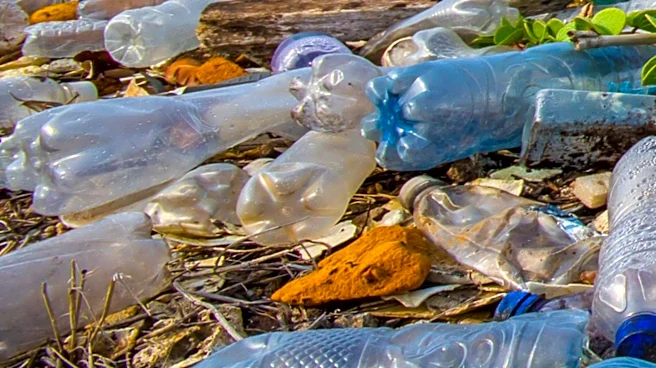
will take several more years, involving a diplomatic conference, ratification processes, and preparations for the first Conference of the Parties (COP1). Hiroshi Ono, Executive Director of IGES, highlighted that plastic pollution is a global challenge requiring international cooperation. The negotiations aim to harmonize regulations and encourage a transition to a circular economy, but face challenges in reflecting production and consumption limitations and bridging different national starting points. In the interim, cities and local governments are being urged to take proactive steps to address plastic pollution, demonstrating concrete success models from the ground up.
Why It's Important?
The extended timeline for a global plastics treaty underscores the complexity of achieving international consensus on environmental regulations. For U.S. industries, particularly those involved in plastics manufacturing, packaging, and waste management, this delay prolongs uncertainty regarding future regulatory landscapes. Companies that have already invested in sustainable practices or alternative materials may find themselves at a temporary disadvantage compared to those that have not. Conversely, the emphasis on local action provides an opportunity for U.S. cities and states to innovate and implement their own circular economy initiatives, potentially setting precedents for national and international policies. The lack of a harmonized global framework could lead to a patchwork of regulations, complicating global supply chains for businesses operating internationally. Environmental groups and public health advocates will likely view the delay as a setback, as plastic pollution continues to worsen without a binding global agreement.
What's Next?
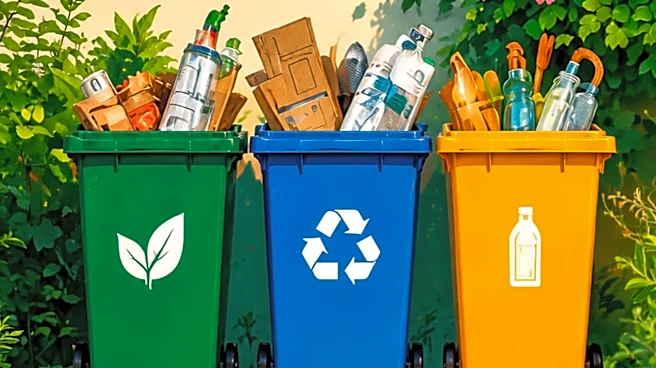
With the global plastics treaty negotiations extended, the immediate focus shifts to local and regional initiatives. Cities and local governments in the U.S. and worldwide are encouraged to accelerate their efforts in waste prevention, reduction, and the promotion of circular economy principles. This includes supporting household waste separation, developing reuse infrastructures, and implementing stronger regulations for large commercial entities. The Ellen MacArthur Foundation advocates for legally binding, globally harmonized requirements in four key areas: minimizing plastic, reusing packaging, improving recycling, and increasing the use of recycled materials. Stakeholders, including businesses, policymakers, and civil society groups, will likely continue to push for these principles to be integrated into future treaty discussions and local policies. The ongoing discussions will also need to address how to bridge the differing starting points and capabilities of various countries in tackling plastic pollution.
Beyond the Headlines
The delay in establishing a global plastics treaty highlights a broader tension between the urgent need for environmental action and the complexities of international diplomacy and economic interests. The call for cities to lead the way in addressing plastic pollution suggests a potential shift towards decentralized environmental governance, where local successes can inform and pressure national and international policy. This situation also brings to light the ethical responsibility of producers in designing products that are easily recyclable or reusable, rather than placing the entire burden of waste management on downstream entities and consumers. The economic implications extend beyond direct costs, encompassing the potential for new markets in sustainable alternatives and circular economy technologies. The long-term impact of continued plastic pollution on ecosystems, human health, and resource depletion remains a critical, underlying concern that will persist until effective global and local solutions are widely implemented.