






What's Happening?
A 2026 Global Passenger Survey conducted by the International Air Transport Association (IATA), based on over 10,000 responses from more than 200 countries, indicates that complex immigration requirements deterred 43% of surveyed air passengers from visiting
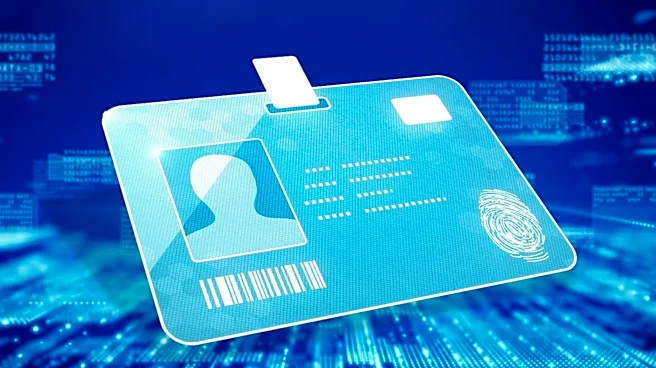
a destination, an increase from 33% in 2025. The survey also found a growing embrace of artificial intelligence (AI) and biometric technology among travelers. Specifically, 58% of respondents had used biometric identification during airport procedures in the past year, up from 50% in 2025, and 49% had used AI for trip planning. Despite the increasing interest in digital travel solutions, the complexity of the process was cited by 53% of discouraged passengers as the primary reason, while 17% pointed to costs and another 17% to privacy concerns. Travelers expressed a strong willingness to submit immigration information digitally before departure (86%) and apply for visas online (60%) to streamline the process.
Why It's Important?
The survey findings highlight a significant challenge for the U.S. travel and tourism industry, as complex entry requirements can deter international visitors, potentially impacting economic growth and cultural exchange. The increasing adoption of biometrics and AI by travelers presents an opportunity for governments and airlines to enhance efficiency and security while improving the passenger experience. For the U.S., streamlining entry procedures through digital solutions could attract more tourists and business travelers, boosting sectors reliant on international travel. However, privacy concerns remain a critical hurdle, with 59% of respondents worried about data breaches and 49% about data sharing with third parties. Addressing these concerns through transparent policies and robust data protection measures will be essential for widespread acceptance and implementation of advanced digital travel credentials, ensuring both national security and economic benefits.
What's Next?
To address the issues raised by the survey, IATA's Senior Vice President for Operations, Safety and Security, Nick Careen, emphasized the need for governments to simplify entry requirements, eliminate duplicate checks, and accelerate the issuance and acceptance of secure digital travel credentials. A key next step involves governments agreeing on a common framework for issuing and accepting secure digital passports or Digital Travel Credentials to make biometrics the norm for international travel. Airlines are also encouraged to ensure their offerings are visible in AI planning tools and to develop convenient links for converting AI conversations into actual bookings. The continued expansion of biometric technology at airports and the phased rollout of electronic travel authorization systems, as seen in Kazakhstan, suggest a global trend towards digitalizing travel processes. However, the success of these initiatives will depend on international cooperation and the ability to build traveler trust regarding data privacy and security.
Beyond the Headlines
The growing reliance on AI for travel planning and biometrics for identification points to a broader digital transformation of the travel ecosystem. This shift has implications beyond mere convenience, touching upon national security, data governance, and the future of international mobility. The regional differences in technology adoption, with North America showing the highest use of biometrics at 63% and the Middle East leading in AI for trip planning at 72%, suggest varying levels of digital readiness and cultural acceptance across the globe. For the U.S., this indicates a potential leadership role in biometric implementation but also highlights the need for tailored approaches when engaging with international travelers from regions with different technological comfort levels. The ethical considerations surrounding AI's role in travel planning, such as potential biases in recommendations or data privacy in personalized offers, will also become increasingly important as these technologies mature.