



What's Happening?
The U.S. House of Representatives has passed the Standardizing Permitting and Expediting Economic Development Act, known as the SPEED Act. This legislation aims to streamline the permitting process for energy projects but has drawn criticism for potentially
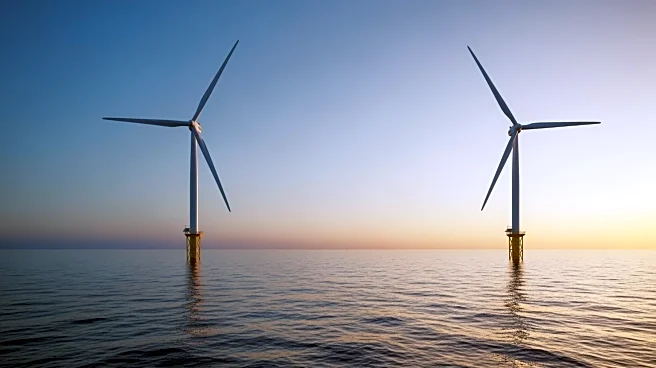
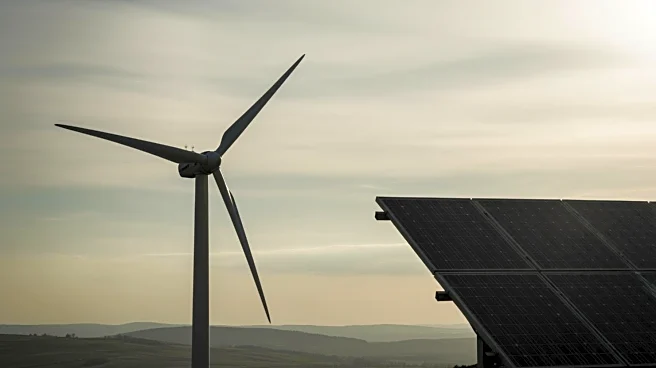
favoring fossil fuel infrastructure over renewable energy initiatives. The Sierra Club and over 150 environmental and community groups have expressed concerns that the Act weakens the National Environmental Policy Act (NEPA) and fails to address barriers to wind, solar, and transmission projects. Critics argue that the Act could lead to increased pollution and delays in clean energy deployment, as it prioritizes oil and gas projects without adequately supporting renewable energy infrastructure.
Why It's Important?
The passage of the SPEED Act is significant as it highlights the ongoing debate over energy policy in the U.S. At a time when energy costs are rising and there is a push for cleaner, more sustainable power sources, the Act's focus on fossil fuels could hinder progress towards renewable energy goals. This legislation may impact the U.S. energy landscape by potentially slowing down the transition to clean energy, affecting efforts to reduce carbon emissions and combat climate change. The outcome of this legislative decision could influence energy prices, environmental policies, and the future of energy infrastructure development in the country.
What's Next?
The SPEED Act now moves to the Senate, where it faces potential opposition. Environmental groups and clean energy advocates are urging the Senate to reject the Act and instead focus on policies that facilitate the rapid deployment of renewable energy projects. The debate in the Senate will likely center around balancing economic development with environmental protection and the need for a sustainable energy future. The outcome will be closely watched by stakeholders in the energy sector, environmental organizations, and policymakers.