


What's Happening?
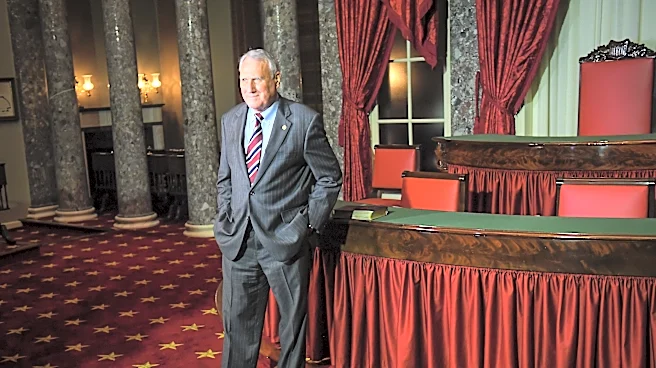
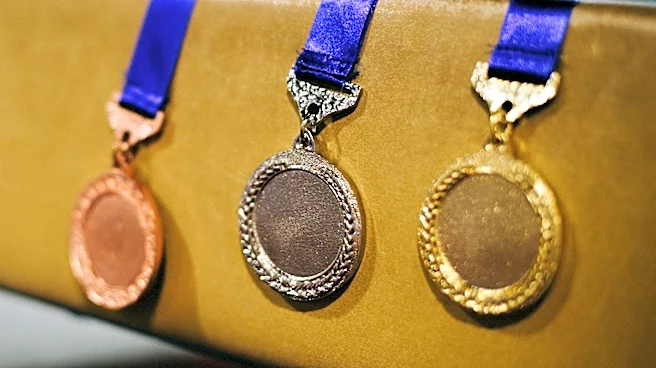
Congressman Robert Aderholt's office, specifically Jennifer Butler Ray, provided assistance in obtaining missing military medals and decorations for the family collection of Sgt. James H. Kinsland, a World War II veteran. Sgt. Kinsland served with Cannon
Company, 119th Infantry Regiment, 30th Infantry Division, and fought in significant campaigns including Normandy and the assault on the Siegfried Line, for which he was awarded the Bronze Star. His grandson, Matt Kinsland, has been working to preserve his grandfather's military history and recently saw his grandfather's name displayed on the National Military Monument in Washington, D.C. The recovered medals will now be displayed alongside other artifacts from Sgt. Kinsland's service, including photographs, documents, patches, letters, and captured German items, which the family has been entrusted to preserve. Sgt. Kinsland, who passed away in 2004, moved to Alabama after the war and built a life there.
Why It's Important?
This event underscores the ongoing commitment of U.S. congressional offices to support veterans and their families, even decades after service. The recovery of military medals is not merely about physical objects; it represents the restoration of a tangible link to a veteran's service and sacrifice, providing closure and a deeper connection for their descendants. For families, these medals are crucial historical artifacts that help preserve the legacy of their loved ones and educate future generations about the personal costs and contributions made during wartime. The involvement of a U.S. Representative's office highlights the role of elected officials in facilitating access to government resources and records, ensuring that the sacrifices of service members are properly recognized and remembered. This act of assistance reinforces the value placed on military heritage and the importance of honoring those who served the nation.
What's Next?
The recovered medals and decorations will now take their rightful place within the Kinsland family's collection, further enriching the display of Sgt. James H. Kinsland's World War II service. This act of preservation will likely continue to inspire the family to share his story and educate others about his contributions. While the immediate action of medal recovery is complete, the broader implication is a continued emphasis on veteran support services from congressional offices. Families of other veterans may be encouraged to seek similar assistance in recovering lost or missing military honors, ensuring that more veterans' stories and sacrifices are properly documented and celebrated. This could lead to increased awareness and utilization of such services provided by elected officials.
Beyond the Headlines
Beyond the immediate recovery of medals, this story touches upon the profound and often quiet legacy of veterans. Many veterans, like Sgt. Kinsland, returned home and lived ordinary lives without extensively discussing their wartime experiences. The effort to preserve their stories and artifacts, often undertaken by their descendants, becomes a vital act of historical and cultural preservation. It highlights the intergenerational impact of military service and the responsibility families feel to honor that legacy. The display of Sgt. Kinsland's name on the National Military Monument, coupled with the physical artifacts, creates a powerful narrative that transcends individual memory, contributing to the collective understanding of national history and the sacrifices made for freedom. This also subtly reinforces the role of community and government in supporting these personal histories.