






What's Happening?
As summer temperatures rise, homeowners are facing increased energy bills, prompting many to seek cost-effective ways to stay cool. A survey by SupplyHouse reveals that 77% of homeowners experience financial stress due to high energy costs, leading them
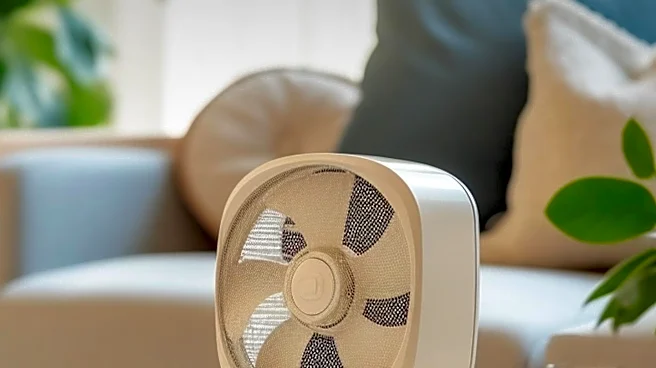
to cut back on expenses like dining out and shopping. Common strategies to reduce cooling costs include using fans instead of HVAC systems, delaying the use of air conditioning, and avoiding heat-generating appliances during peak hours. Experts suggest that while fans can provide a windchill effect, they do not lower room temperatures. Adjusting thermostats to higher settings and ensuring HVAC systems are well-maintained can also help manage energy consumption.
Why It's Important?
The rising cost of energy is a significant concern for many U.S. households, impacting their financial stability and lifestyle choices. As energy prices continue to climb, finding effective ways to reduce consumption is crucial for maintaining household budgets. The strategies being adopted by homeowners not only highlight the need for energy efficiency but also underscore the importance of sustainable living practices. This trend could influence energy policy and encourage the development of more efficient cooling technologies, benefiting both consumers and the environment.
What's Next?
Homeowners are likely to continue exploring and adopting energy-saving measures as long as high energy costs persist. This could lead to increased demand for energy-efficient appliances and home improvements, such as better insulation and smart thermostats. Utility companies and policymakers may respond by offering incentives for energy-saving upgrades or implementing programs to assist low-income households. The focus on energy efficiency could also drive innovation in the HVAC industry, leading to the development of more sustainable cooling solutions.