






What's Happening?
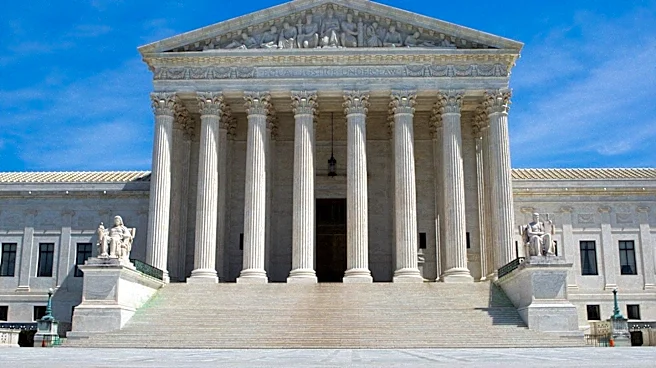
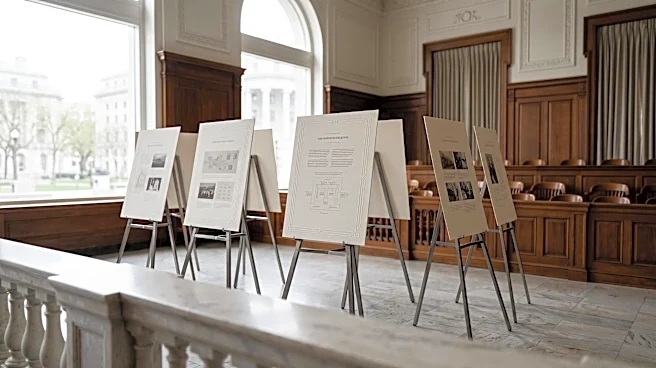
High school students from the Memphis and Jackson areas have developed a five-panel exhibit focusing on the 1963 U.S. Supreme Court case, Watson v. City of Memphis. This case was instrumental in desegregating public parks and recreational facilities.
The exhibit, which opened on October 8 at the Odell Horton Federal Building in Memphis, details the case's historical background, its progression through the federal court system, and the judiciary's role in upholding constitutional rights. The project is part of the Supreme Court Historical Society’s “The Supreme Court and My Hometown” program. Students involved in the creation of the exhibit spent five days engaging with judges, professors, and legal professionals, observing court proceedings, and studying how Memphis residents utilized the courts to challenge segregation. The exhibit is currently housed in the courthouse’s jury assembly room.
Why It's Important?
This student-led initiative is significant as it highlights a pivotal moment in the U.S. Civil Rights Movement, demonstrating how legal challenges were used to dismantle segregation. By focusing on Watson v. City of Memphis, the exhibit educates the public, particularly younger generations, about the historical struggle for equality and the enduring impact of Supreme Court decisions on civil liberties. It underscores the judiciary's critical function in protecting constitutional rights and serves as a reminder of the progress made in overcoming racial segregation. The involvement of high school students in researching and presenting such a complex legal history fosters civic engagement and a deeper understanding of the legal system's role in shaping society. This project also emphasizes the importance of local efforts in driving national change and the power of community action in advocating for justice.
What's Next?
The exhibit will remain on display in the Odell Horton Federal Building’s jury assembly room, providing ongoing educational opportunities for visitors. Its presence in a federal courthouse ensures continued visibility and accessibility for the public, including legal professionals, students, and community members. The “The Supreme Court and My Hometown” program is likely to continue its efforts to engage students in similar historical and legal research projects, potentially leading to more exhibits or educational materials on other significant civil rights cases. This initiative could inspire other communities and educational institutions to undertake similar projects, further promoting civic education and historical awareness regarding the Civil Rights Movement and the role of the judiciary.
Beyond the Headlines
The exhibit delves into the broader implications of the Watson v. City of Memphis case, which extended beyond the immediate desegregation of public facilities. It implicitly addresses the ethical and moral dimensions of segregation, highlighting the systemic injustices faced by African Americans and the courage required to challenge such deeply entrenched practices. The project also touches upon the cultural shift that occurred as a result of these legal battles, influencing public perception and policy regarding racial equality. By involving students directly in the research and presentation, the initiative promotes a deeper understanding of historical context and critical thinking about the ongoing evolution of civil rights in the U.S. It serves as a testament to the power of education in fostering a more informed and just society, encouraging reflection on how past legal struggles continue to inform contemporary discussions on civil rights and social justice.