




What's Happening?
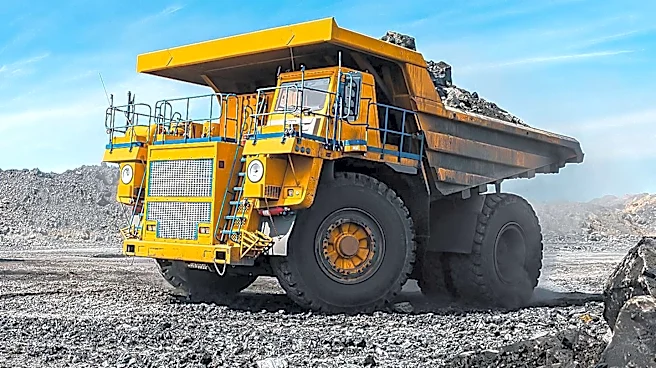
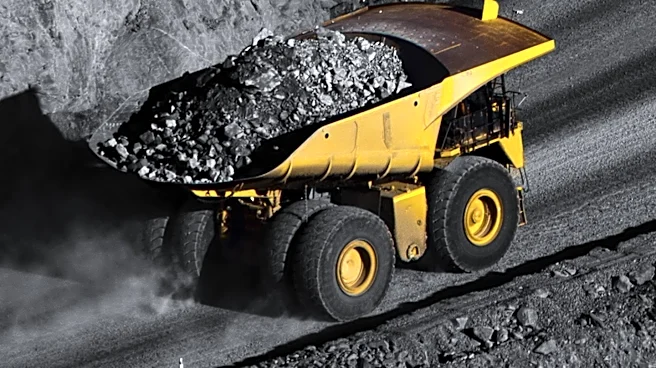
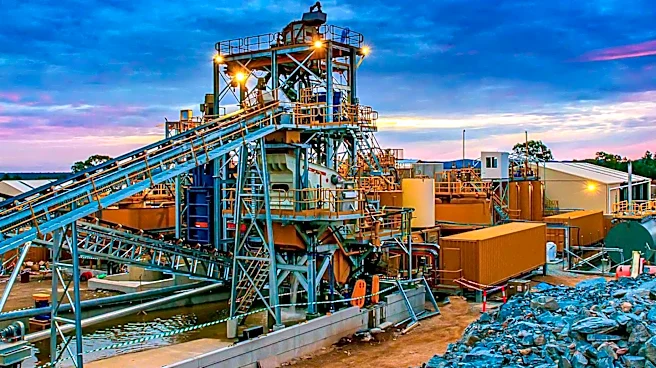
Sweden has announced a strategic shift to treat the extraction of critical metals and minerals as a national-security interest. This move is part of a broader European effort to reduce dependency on external suppliers, particularly China, for essential
materials like rare earths, graphite, and tungsten. These materials are crucial for various industries, including electric motors, batteries, and advanced communications. Sweden's decision reflects a growing recognition of the strategic importance of these resources, which are vital for the climate transition and defense sectors. However, this policy shift raises complex issues regarding environmental safeguards, local consent, and the rights of Indigenous communities, such as the Sámi, whose lands may overlap with mining projects.
Why It's Important?
The reclassification of mineral extraction as a security interest underscores the critical role these resources play in Europe's industrial and defense capabilities. By prioritizing domestic mining, Sweden aims to enhance supply chain resilience and reduce reliance on potentially adversarial nations. This policy could accelerate the development of new mines and processing facilities, contributing to European competitiveness. However, it also poses challenges, such as balancing environmental concerns and Indigenous rights with the need for rapid development. The success of this strategy will depend on Sweden's ability to implement it without compromising environmental standards or community engagement.
What's Next?
Sweden's new policy could lead to increased government support for strategic mining projects, potentially involving public financial backing and improved coordination between agencies. The country may also seek EU funding under the Critical Raw Materials Act to support these initiatives. However, the policy's implementation will require careful management to avoid public resistance and legal challenges. Ensuring meaningful consultation with affected communities and maintaining rigorous environmental reviews will be crucial. Additionally, Sweden and the EU will need to prioritize which minerals are most critical to reduce vulnerability during crises, rather than spreading resources too thinly across various projects.
Beyond the Headlines
The designation of mineral extraction as a national-security interest highlights the intersection of industrial policy and environmental ethics. While the policy aims to secure essential materials for Europe's energy transition and defense needs, it also raises questions about the long-term sustainability of mining practices. The potential impact on Indigenous communities and local ecosystems necessitates a careful approach to project planning and execution. Sweden's strategy could serve as a model for other European nations, provided it successfully balances economic, environmental, and social considerations.