







What's Happening?
The city of Boulder is conducting its second annual Plastic Count, encouraging residents to report the number of single-use plastic items they use. This initiative aims to gather data on plastic consumption within households to better understand the local
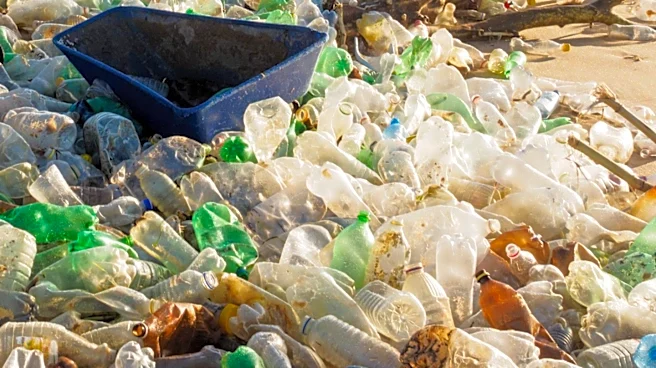
impact of plastic waste. Emily Freeman, Circular Economy Policy Advisor for Boulder, emphasized that the count is not intended to shame participants but to provide valuable insights into consumption patterns. Last year, 100 participants reported a total of 3,600 pieces of plastic waste. The initiative is inspired by the UK's Big Plastic Count, which saw 68,000 participants report 82 billion pieces of plastic waste in 2026. The data collected will be used to inform policymakers about the effectiveness of state policies like the Plastic Pollution Reduction Act and the styrofoam ban. Additionally, it could support the revival of the 'Skip The Stuff' bill, which was designed to reduce the use of disposable utensils.
Why It's Important?
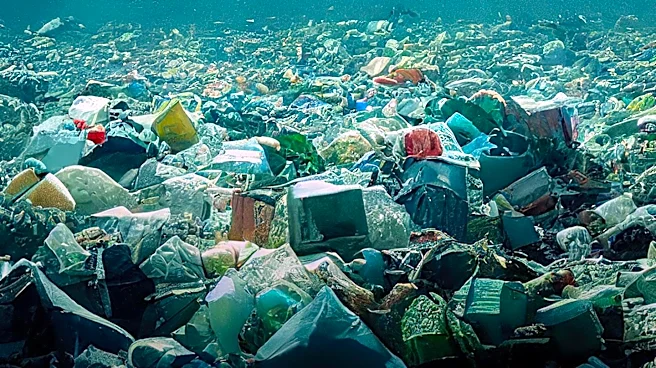
This initiative is significant as it highlights the growing concern over plastic waste and its environmental impact. By collecting data on single-use plastics, Boulder aims to provide evidence to support policy changes that could lead to more sustainable practices. The information gathered could influence future legislation and encourage other cities to adopt similar measures. The potential revival of the 'Skip The Stuff' bill, which allows restaurants to opt-out of providing single-use utensils unless requested, could significantly reduce plastic waste. This effort aligns with broader environmental goals to reduce reliance on plastics and promote sustainable alternatives, potentially setting a precedent for other municipalities.
What's Next?
The data from Boulder's Plastic Count will be analyzed and presented to policymakers to assess the impact of existing environmental policies. If successful, the initiative could lead to the implementation of more stringent regulations on plastic use. The potential revival of the 'Skip The Stuff' bill could also gain momentum, encouraging other states to consider similar legislation. As awareness of plastic pollution grows, more communities may adopt similar initiatives, contributing to a larger movement towards reducing plastic waste and promoting sustainability.