





What's Happening?
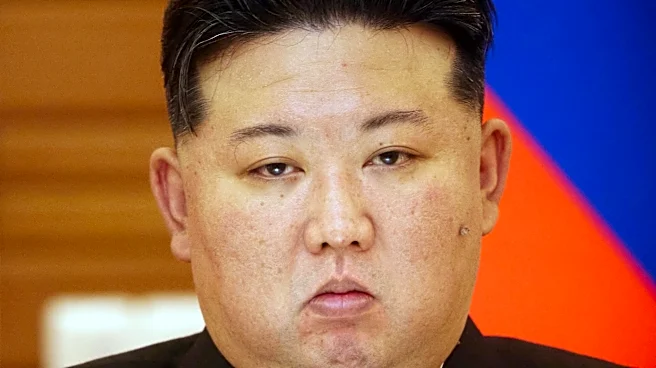
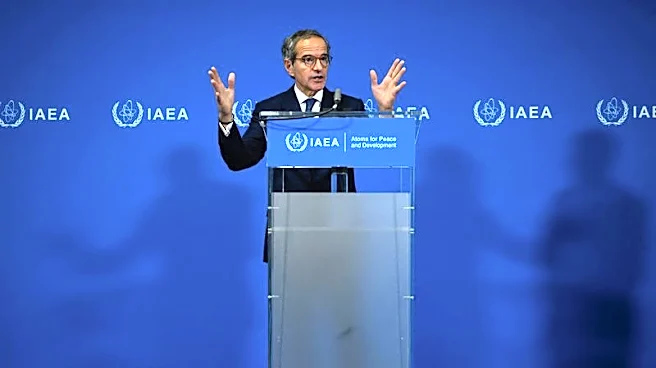
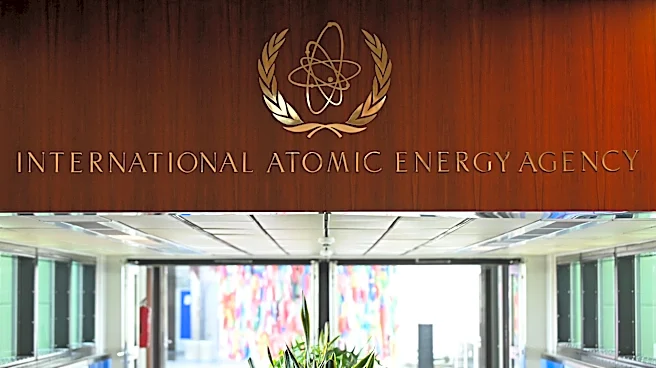
North Korea is expanding its uranium enrichment facility at the Yongbyon nuclear complex, according to Rafael Grossi, Director General of the International Atomic Energy Agency (IAEA). The expansion of an existing facility has been underway since mid-September
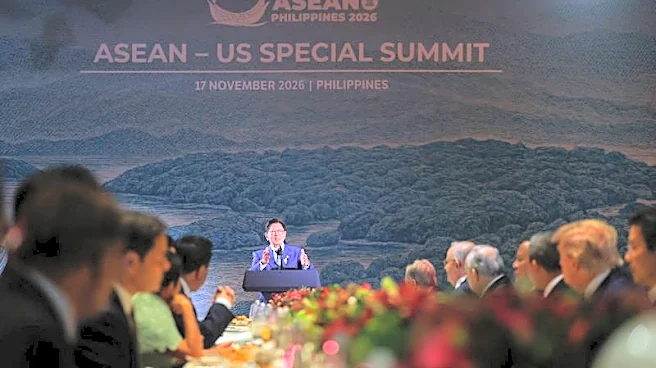
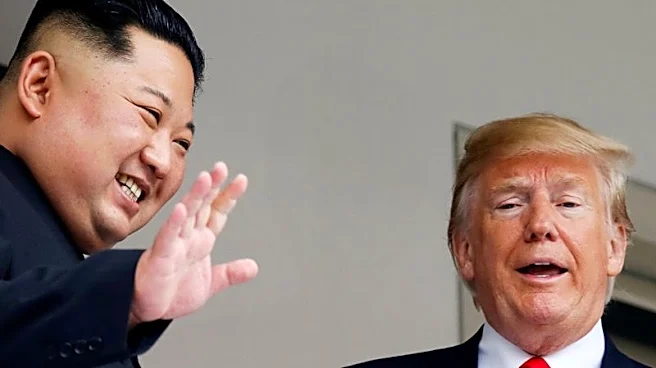
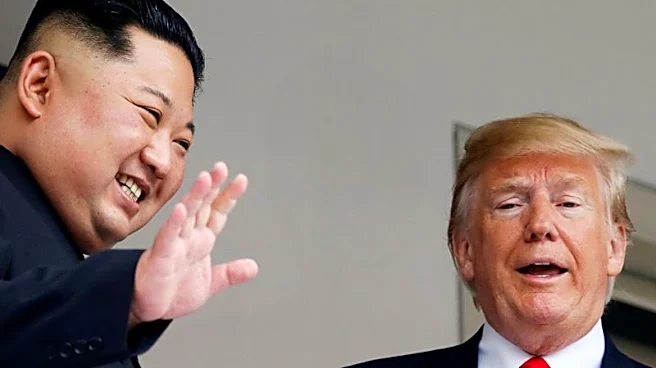
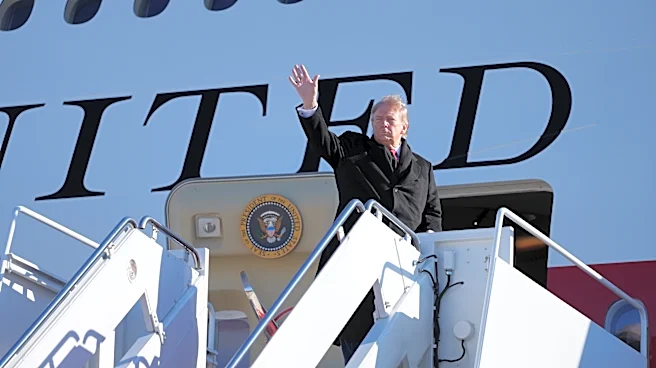
2026, with the new extension externally completed by late October 2026. The IAEA monitors North Korea's nuclear activities using satellite imagery and open-source information, as the country expelled IAEA inspectors in 2009. The Yongbyon complex is considered the core of North Korea's nuclear program, capable of producing both highly enriched uranium and weapons-grade plutonium, both of which can be used to build nuclear weapons. This development comes as President Trump expressed interest in meeting with North Korean leader Kim Jong Un during his Asia visit, though no meeting was officially scheduled.
Why It's Important?
The expansion of North Korea's uranium enrichment capabilities at Yongbyon is a significant concern for international security and non-proliferation efforts. It indicates a continued commitment by Pyongyang to advance its nuclear weapons program, despite international sanctions and diplomatic efforts. The ability to produce both highly enriched uranium and weapons-grade plutonium provides North Korea with multiple pathways to develop nuclear weapons, increasing its nuclear arsenal and potentially destabilizing the region. This development complicates diplomatic efforts aimed at denuclearization and poses a direct challenge to the global non-proliferation regime. The ongoing expansion underscores the difficulty in curbing North Korea's nuclear ambitions without direct international oversight.
What's Next?
The IAEA will likely continue to monitor the Yongbyon facility through satellite imagery and other available means, providing updates to the international community. Diplomatic efforts to address North Korea's nuclear program are expected to continue, potentially involving discussions at high-level international meetings. The United States, along with its allies, will likely assess the implications of this expansion for regional security and adjust their strategies accordingly. The possibility of future dialogue between the U.S. and North Korea remains, but the expansion of nuclear facilities could complicate such negotiations, potentially leading to increased pressure for denuclearization or new sanctions.
Beyond the Headlines
The continued expansion of North Korea's nuclear facilities highlights a persistent challenge to international arms control and the effectiveness of sanctions. It raises questions about the long-term viability of non-proliferation treaties when faced with determined state actors. The situation also underscores the limitations of remote monitoring in the absence of on-the-ground inspections, emphasizing the need for renewed diplomatic engagement to allow IAEA inspectors back into the country. This development could also influence the strategic calculations of neighboring countries, potentially leading to increased regional arms races or shifts in alliances as nations seek to bolster their security in response to North Korea's growing nuclear capabilities.