
What's Happening?
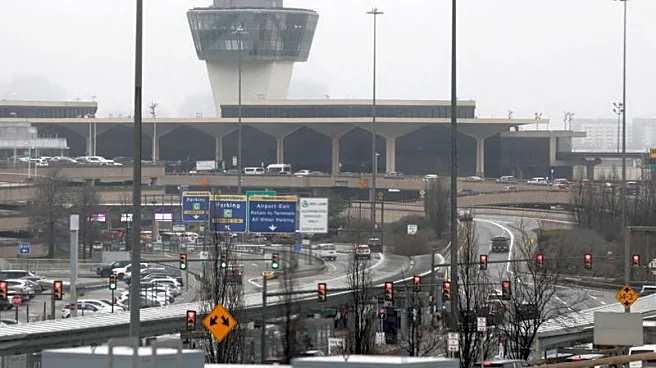
Airline and travel groups have expressed concerns over potential disruptions at Newark Liberty International Airport due to a federal proposal to shift customs resources away from the airport. This proposal is part
of an ongoing immigration enforcement dispute between federal officials and New Jersey, which has sanctuary policies limiting cooperation with federal immigration authorities. Newark Airport, a major international gateway, could see significant impacts on both passenger and cargo operations if these changes are implemented. The airport handles thousands of passengers daily, including U.S. citizens returning from international trips, and any disruption could lead to delays and logistical challenges for travelers and businesses reliant on timely cargo shipments.
Why It's Important?
The potential suspension of international passenger and cargo processing at Newark Airport could have widespread implications for the U.S. travel and business sectors. As one of the busiest international airports, any disruption could affect thousands of travelers and delay cargo operations, impacting retailers and companies dependent on the swift movement of goods. The timing is particularly critical with the upcoming World Cup, which will increase international travel demands. Additionally, similar actions at other major airports in sanctuary cities could amplify economic effects nationwide, highlighting the broader impact of immigration policy disputes on the travel industry.
What's Next?
If the proposal to shift customs resources proceeds, stakeholders in the travel and business sectors may need to prepare for potential disruptions. Airlines and travel groups might lobby for alternative solutions to mitigate impacts on international travel and cargo operations. The situation could also prompt discussions between federal and state officials to address the underlying immigration enforcement issues. As the World Cup approaches, ensuring smooth operations at Newark Airport will be crucial, potentially influencing decisions on resource allocation and policy adjustments.