






What's Happening?
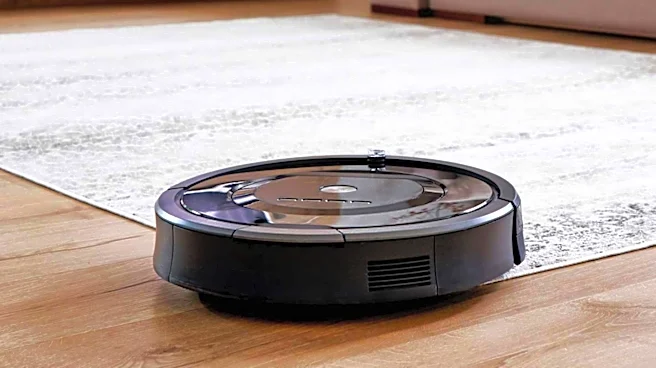
Sammy Azdoufal, a programmer based in Spain, received a $30,000 award from the Chinese technology company DJI after he identified significant vulnerabilities in their robot vacuum devices. Azdoufal's discovery allowed him to remotely access and control
approximately 7,000 DJI robot vacuums globally. He achieved this by reverse-engineering DJI’s communication protocols using an AI coding assistant. Initially, he intended to control his newly purchased DJI Romo vacuum with a PlayStation 5 gamepad. However, when his custom application communicated with DJI’s servers, it inadvertently connected to thousands of other devices across 24 countries. This access granted him the ability to operate the machines remotely, view their camera feeds, listen to in-home activity, and access two-dimensional floor plans generated by the robots. DJI confirmed the payment for identifying flaws in its Romo robot vacuum devices and stated that a vulnerability allowing video stream viewing without a security PIN was addressed by late February. Azdoufal emphasized that his access did not involve bypassing or cracking DJI’s systems, but rather exploiting an oversight where his private authentication token returned information from numerous other devices.
Why It's Important?
This incident highlights critical cybersecurity and privacy concerns associated with smart home devices, particularly robot vacuums equipped with cameras and mapping capabilities. The ability for an external party to remotely control thousands of devices and access sensitive in-home data, such as video feeds, audio, and floor plans, poses a significant threat to user privacy and security. For U.S. consumers, this raises questions about the security standards of connected devices imported from foreign manufacturers and the potential for unauthorized surveillance or data breaches. The incident underscores the need for robust security protocols in IoT devices and transparent communication from manufacturers regarding data handling and vulnerability disclosures. It also emphasizes the role of independent security researchers in identifying and reporting flaws, which can prevent malicious actors from exploiting such vulnerabilities. The financial reward from DJI, while acknowledging the discovery, also points to the potential reputational and financial risks companies face when their products are found to have such widespread security weaknesses.
What's Next?
DJI has stated that software updates have been deployed to resolve the primary vulnerability identified by Azdoufal. However, the company also indicated that additional vulnerabilities might require up to another month to be fully addressed. This suggests an ongoing effort to enhance the security of their robot vacuum line. Consumers who own DJI Romo robot vacuums should ensure their devices are updated with the latest firmware to mitigate potential risks. The incident may prompt increased scrutiny from regulatory bodies and consumer advocacy groups regarding the security of smart home devices, potentially leading to new guidelines or standards for IoT manufacturers. Other manufacturers of robot vacuums and smart home technology may also review their own security protocols in light of this event to prevent similar breaches. The broader cybersecurity community will likely continue to monitor such devices for vulnerabilities, reinforcing the importance of bug bounty programs and responsible disclosure practices.
Beyond the Headlines
The incident with DJI robot vacuums delves into the ethical implications of pervasive surveillance capabilities in consumer technology. Devices designed to simplify daily tasks, such as cleaning, are increasingly equipped with advanced sensors and connectivity that can inadvertently collect highly personal data about users' homes and routines. The ability to access camera feeds and floor plans raises profound questions about the 'right to privacy' within one's own home, especially when these devices are connected to cloud services. This event could accelerate discussions around data sovereignty and the legal frameworks governing data collected by IoT devices, particularly those manufactured by foreign companies. It also highlights the tension between convenience and security, as consumers often prioritize ease of use without fully understanding the potential privacy trade-offs. The case serves as a stark reminder that the 'smart' features of modern appliances can also introduce unforeseen vulnerabilities, necessitating a more critical approach to adopting connected technologies and demanding higher security standards from manufacturers.