



What's Happening?
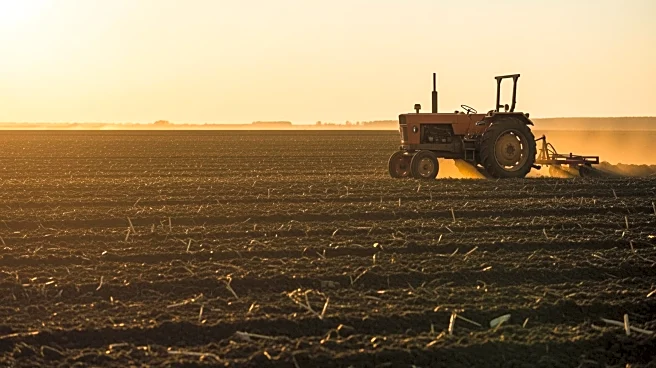
Following World War II, the U.S. experienced a significant increase in tractor production, transforming the agricultural landscape. As soldiers returned home, demand for tractors surged, leading to a rapid expansion in manufacturing. By 1950, tractor production had
increased from 105,000 units in 1944 to nearly 500,000. This boom was driven by the need to replace manual labor with mechanized solutions, as many farmers sought to modernize their operations. The influx of new tractor models and manufacturers during this period marked a pivotal shift in farming practices.
Why It's Important?
The post-war tractor boom played a crucial role in modernizing U.S. agriculture, enabling farmers to increase productivity and efficiency. This mechanization reduced the reliance on manual labor and animal power, allowing for larger-scale farming operations. The transformation of the agricultural sector contributed to the economic growth of rural communities and supported the broader U.S. economy by ensuring a stable food supply. The advancements in farming technology during this period laid the foundation for future innovations in agricultural practices.