


What's Happening?
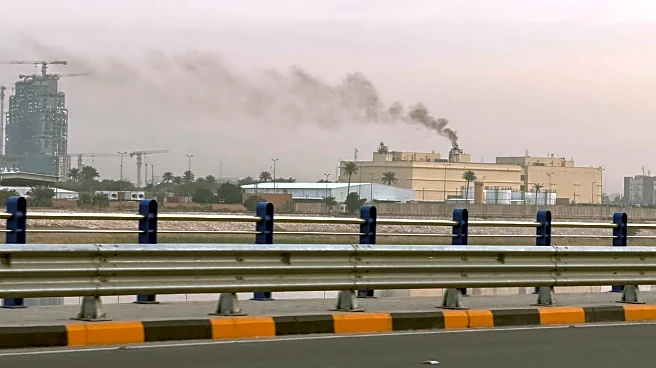
The recent escalation of conflict in Iran, following airstrikes by Israel and the United States, is causing significant disruptions in the global food and beverage industry. Rising oil and gas prices are increasing production costs, while disruptions in petrochemical
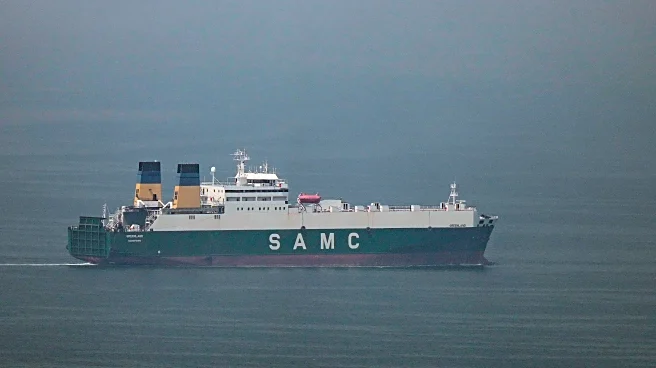
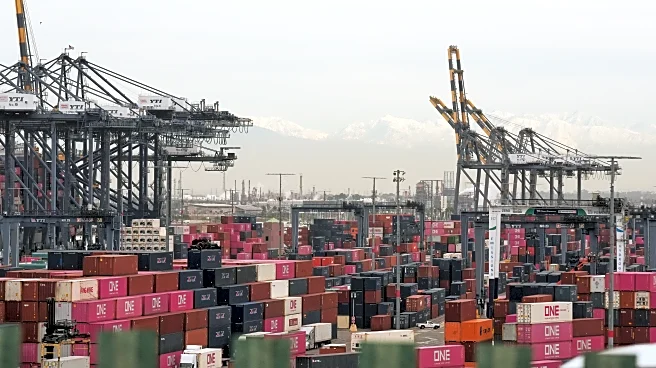
supplies threaten the availability of plastic packaging. Key imports and exports are facing delays, and the availability of fertilizer inputs essential for food production is at risk. The closure of the Strait of Hormuz, a vital trade route, is exacerbating these challenges, leading to potential shortages and price increases in various food commodities.
Why It's Important?
The conflict's impact on the food and beverage industry highlights the interconnectedness of global supply chains and the vulnerability of essential goods to geopolitical tensions. Rising production costs and supply chain disruptions can lead to higher prices for consumers, affecting affordability and access to food. Retailers and brands may face increased pressure to manage costs and maintain supply, potentially leading to changes in sourcing strategies and product offerings. The situation underscores the need for resilience and adaptability in the food sector to navigate geopolitical risks.
What's Next?
As the conflict continues, the food and beverage industry may need to explore alternative supply routes and sources to mitigate disruptions. Companies might invest in more sustainable and resilient packaging solutions to reduce dependency on petrochemicals. Governments and industry stakeholders could collaborate to develop contingency plans and support measures to stabilize food supply chains. Additionally, the conflict may accelerate discussions on food security and the importance of diversifying supply sources to reduce vulnerability to geopolitical events.