



What's Happening?
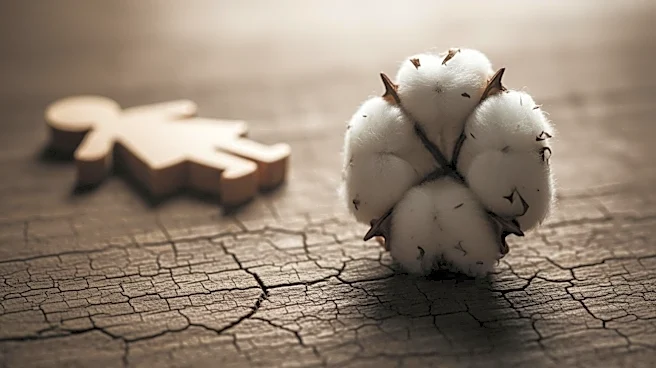
An investigation has uncovered that some Labubu dolls, popular plush toys, contain cotton sourced from Xinjiang, China, a region associated with forced labor practices. This finding violates the Uyghur Forced Labor Prevention Act, which bans imports from Xinjiang.
The dolls, sold by major retailers like Amazon and eBay, were found to contain the illicit cotton primarily in their t-shirts. The Trump administration is monitoring for violations of U.S. law by importers, and a Section 301 investigation into forced-labor goods is underway. Pop Mart, the Chinese company behind the dolls, has stated it will investigate the claims and plans to switch to alternative materials for the U.S. market.
Why It's Important?
The discovery of banned cotton in Labubu dolls highlights ongoing concerns about forced labor in global supply chains, particularly involving products from Xinjiang. This situation underscores the challenges faced by U.S. regulators in enforcing trade laws designed to prevent human rights abuses. The potential for punitive actions, such as import bans, could impact U.S.-China trade relations and the availability of these popular toys in the U.S. market. It also raises ethical considerations for consumers and businesses regarding the sourcing of materials and the importance of transparency in supply chains.
What's Next?
U.S. Customs and Border Protection may take action to enforce bans on imports of the dolls if violations are confirmed. Pop Mart's investigation into its supply chain and its commitment to using alternative materials will be closely watched by regulators and human rights organizations. The outcome of these investigations could influence future trade policies and consumer trust in brands associated with forced labor allegations. Additionally, President Trump's upcoming visit to Beijing may address these trade tensions and the broader implications for U.S.-China relations.