






What's Happening?
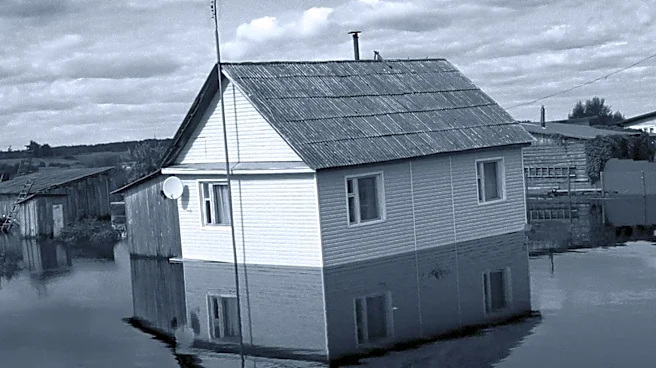
Recent research published in Nature Climate Change indicates that human-driven climate change has significantly increased the likelihood of coastal floods. Events that historically had a 1% chance of occurring annually are now about 12 times more likely.
This increase is attributed to rising sea levels caused by human activities, particularly since the 1960s. The study highlights the role of high tides and storm surges, which, when combined with rising sea levels, lead to more frequent and severe coastal flooding. The research underscores the need for updated flood planning and infrastructure to mitigate the impacts of these increasingly common events.
Why It's Important?
The findings of this research are crucial for coastal communities and policymakers. As climate change continues to drive sea level rise, the risk of flooding poses significant threats to millions of people living in low-lying coastal areas. The economic impact is also substantial, with billions of dollars in potential damages. This research emphasizes the urgent need for improved coastal protection measures and infrastructure investments to safeguard communities. Additionally, it highlights the importance of reducing greenhouse gas emissions to mitigate further climate change impacts.
What's Next?
Communities and governments are expected to reassess and enhance their flood management strategies in response to these findings. This may involve investing in stronger coastal defenses, updating zoning laws, and improving emergency preparedness plans. The research also calls for increased international cooperation to address the global challenge of climate change and its effects on sea level rise. As the threat of coastal flooding grows, there will likely be more emphasis on sustainable development and renewable energy sources to reduce carbon emissions.
Beyond the Headlines
The study also raises ethical and social considerations, particularly regarding the displacement of communities and the equitable distribution of resources for flood protection. As climate change disproportionately affects vulnerable populations, there is a growing need for policies that address social justice and ensure that all communities have access to necessary protections. Long-term, this research may influence global climate policy and drive further innovation in climate adaptation technologies.