





What's Happening?
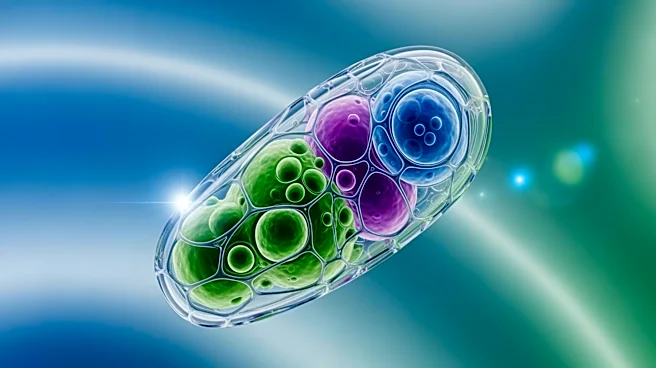
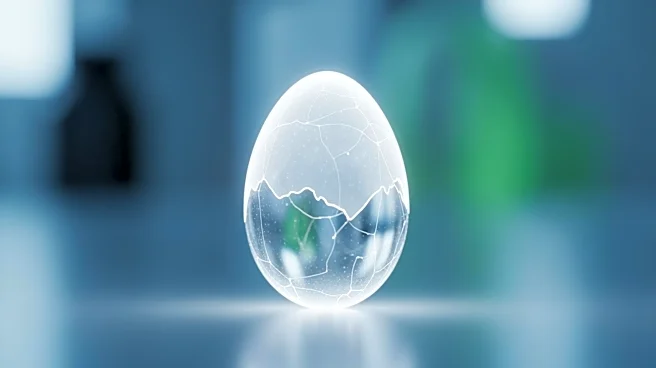
Colossal Biosciences, a biotech company focused on de-extinction, has successfully hatched live chicks using an artificial eggshell. This development is part of their broader mission to potentially revive extinct species, such as the thylacine and the giant
moa. The artificial eggshell, created using a 3D-printed lattice structure, mimics the natural hatching environment by providing a controlled setting for embryonic development. The company has previously engineered living animals to resemble extinct species, including mice with woolly mammoth-like hair and wolf pups resembling dire wolves. While the technology has been met with skepticism from some scientists, who argue that it lacks certain components of a natural egg, Colossal Biosciences believes it could be scaled to genetically modify living birds to resemble extinct species.
Why It's Important?
The development of artificial eggshell technology by Colossal Biosciences could have significant implications for conservation and biodiversity. As bird species face sharp declines, this technology offers a potential method to rescue fragile embryos and hatch birds that do not breed well in captivity. Additionally, it could aid in the preservation of endangered species by allowing scientists to use preserved sperm and egg cells to increase population numbers. However, the ethical and ecological implications of reviving extinct species remain contentious. Critics argue that the focus should be on preserving existing species rather than attempting to bring back those that have already disappeared. The success of this technology could influence future conservation strategies and spark debates on the priorities of biodiversity preservation.
What's Next?
Colossal Biosciences plans to continue refining their artificial eggshell technology, with the long-term goal of reviving extinct species like the giant moa. This will involve comparing ancient DNA from well-preserved moa bones with genomes of living bird species and developing larger eggshells to accommodate the size of moa eggs. The company also aims to address the engineering challenges associated with surrogacy and birth for these large birds. As the technology progresses, it will be crucial to consider the ecological and environmental conditions necessary for the survival of revived species. The potential success of these efforts could lead to further advancements in genetic engineering and conservation biology.
Beyond the Headlines
The pursuit of de-extinction raises important ethical and ecological questions. Reviving extinct species could disrupt current ecosystems and create unforeseen challenges in terms of habitat and resource allocation. Additionally, the focus on de-extinction might divert attention and resources away from conserving endangered species that are still extant. The technology also poses questions about the manipulation of genetic material and the potential consequences of creating genetically modified organisms. As Colossal Biosciences continues its work, these broader implications will need to be carefully considered by scientists, ethicists, and policymakers.