




What's Happening?
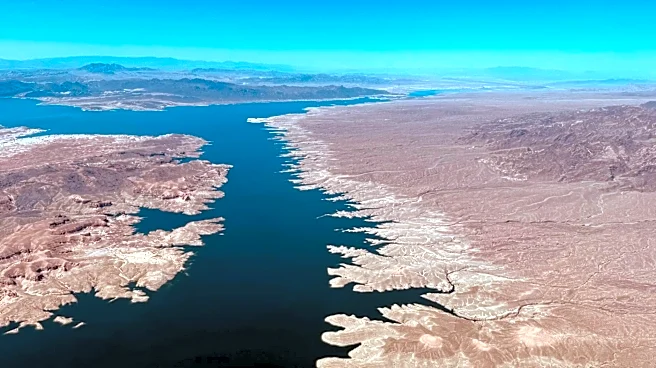
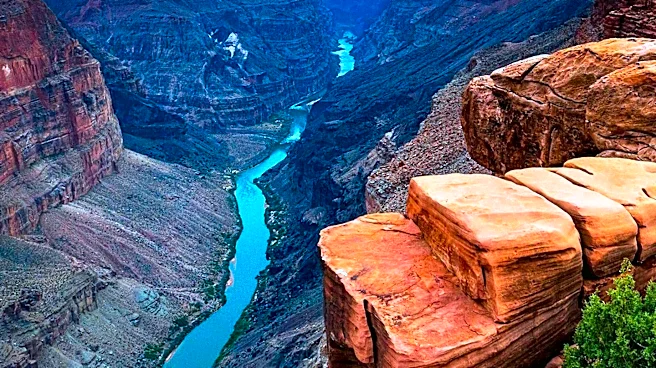
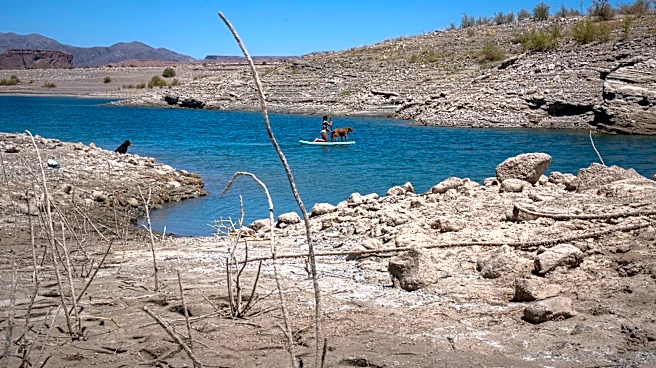
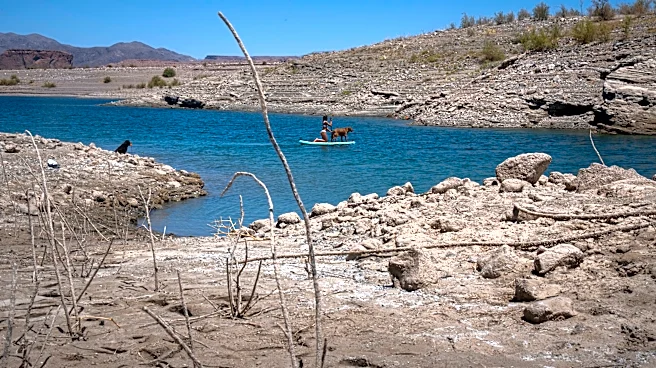
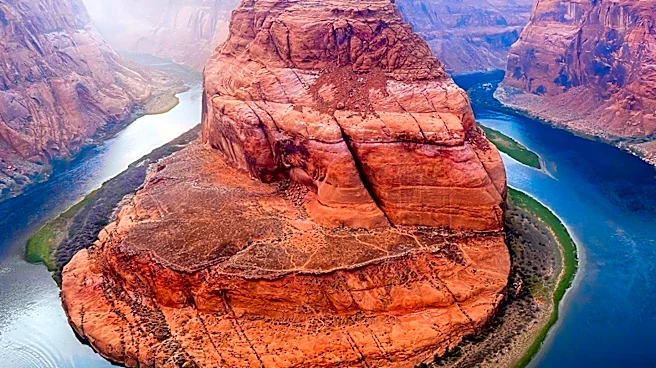
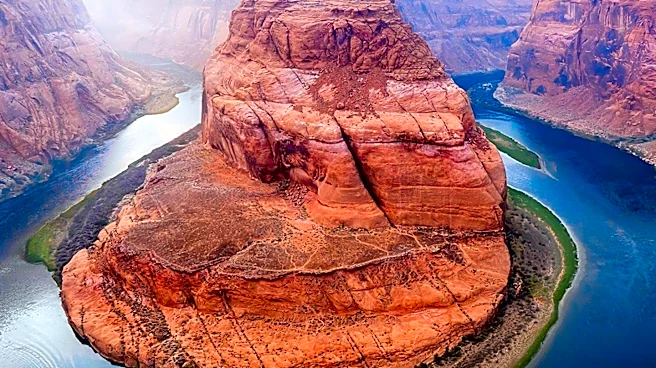
The U.S. Bureau of Reclamation has proposed a plan for Arizona, California, and Nevada to reduce their water usage from the Colorado River in an effort to prevent a crisis in the waterway. The proposal aims to cut up to 3 million acre-feet of water through
2036, affecting over 25 million people. This temporary measure spares Colorado, Utah, New Mexico, and Wyoming from mandatory cuts for now. The plan also includes annual water releases from Lake Powell, with decisions made every two years. This comes amid ongoing disputes over long-term water management strategies for the river, which is crucial for the Western U.S.
Why It's Important?
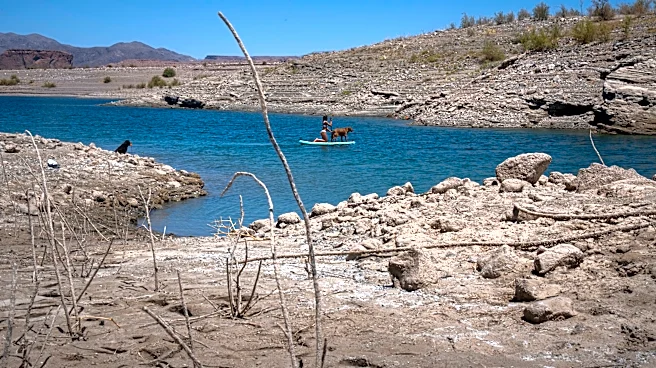
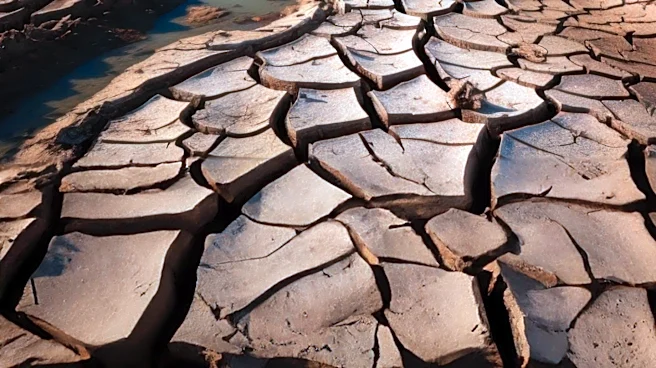
The proposed water cuts are significant as they represent the largest reductions to date for the Lower Basin states, potentially impacting urban areas, agriculture, and industries reliant on the Colorado River. The plan highlights the severe water scarcity issues facing the region due to overuse, rising temperatures, and prolonged drought. The economic and social implications are vast, with potential increases in water prices, reliance on groundwater, and changes in agricultural practices. The proposal underscores the urgent need for sustainable water management solutions and cooperation among states to address the dwindling water resources.
What's Next?
Federal officials are expected to finalize the plan soon, with ongoing negotiations among the states to develop a long-term management strategy. The proposal provides a framework for flexibility in response to changing hydrologic conditions, but the challenges of reaching a consensus remain. Stakeholders, including state governments, tribal nations, and industries, will need to collaborate to ensure equitable and sustainable water distribution. The situation calls for innovative approaches to water conservation and management to secure the future of the Colorado River and the communities that depend on it.