








What's Happening?
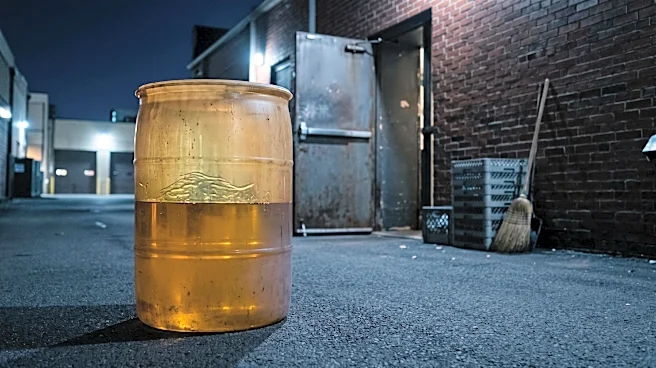
Two individuals, Arlin Salvador Castillo Medina, 28, of Wilkes-Barre, and Jose Miguel Medina Soto, 31, of Paterson, New Jersey, are facing theft charges after being apprehended while allegedly stealing cooking oil from Pizza L’Oven in Exeter, Pennsylvania.
Wyoming Area Regional Police discovered the men around 3 a.m. on Thursday, sitting in a truck bearing J&A Global Oil Solutions logos. They had reportedly siphoned approximately 150 gallons of oil when police intervened. The truck was impounded, and both men were charged with theft, criminal trespassing, prowling at night, and possessing instruments of crime. Magisterial District Judge Daniel O’Donnell set their bail at $10,000 each, and they are currently held at the Luzerne County Correctional Facility, with a preliminary hearing scheduled for October 27.
Why It's Important?
The theft of used cooking oil, while seemingly minor, represents a growing concern for businesses and the broader economy. Used cooking oil is a valuable commodity, often processed into biodiesel, a renewable fuel source. The rising demand for sustainable energy alternatives has increased its market value, making it an attractive target for thieves. This incident highlights the vulnerability of businesses, particularly restaurants, to such thefts, which can result in financial losses from the stolen oil and potential damage to property during the siphoning process. For the renewable energy sector, these thefts can disrupt the supply chain of raw materials, potentially impacting production and increasing costs. The charges against the individuals underscore the legal ramifications of such actions, treating the theft of used cooking oil as a serious criminal offense.
What's Next?
Arlin Salvador Castillo Medina and Jose Miguel Medina Soto are scheduled for a preliminary hearing on October 27. This hearing will determine if there is sufficient evidence to proceed with a trial. Law enforcement may also investigate whether this incident is part of a larger, organized scheme targeting used cooking oil, given the specialized nature of the theft and the use of a truck with company logos. Businesses, especially those in the food service industry, might consider enhancing their security measures to prevent similar incidents, such as installing surveillance cameras, securing oil storage containers, or implementing stricter protocols for oil collection. The outcome of this case could also influence how local authorities and the legal system address the increasing trend of used cooking oil theft.
Beyond the Headlines
The theft of used cooking oil points to a less obvious consequence of the green energy transition. As demand for biofuels grows, so does the value of their feedstocks, including used cooking oil. This creates a black market where individuals or groups attempt to profit from its illicit acquisition. Beyond the immediate financial loss to businesses, these thefts can have environmental implications if the stolen oil is improperly handled or disposed of. Furthermore, the involvement of a truck with company logos raises questions about potential insider involvement or the use of deceptive tactics to appear legitimate, complicating law enforcement efforts. This trend underscores the need for robust regulatory frameworks and enforcement to protect emerging green industries from criminal exploitation, ensuring that the benefits of sustainable practices are not undermined by illicit activities.