





What's Happening?
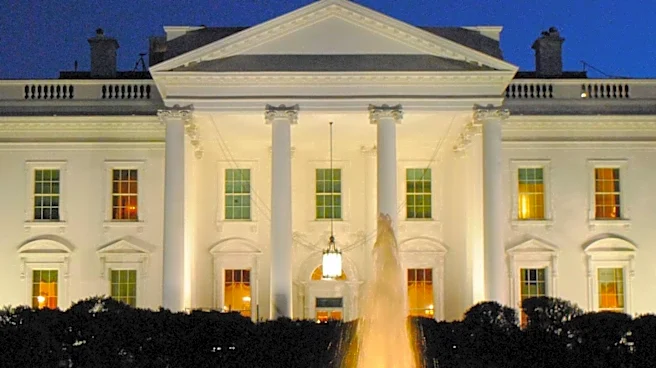
Norman Rockwell's iconic paintings, 'So You Want to See the President!', are now on public display at the White House Historical Association in Washington, D.C. This marks the first time these works have been shown publicly after being displayed in the West
Wing lobby for over 40 years. The paintings were originally created in 1943 and were part of a suite of four interconnected pieces that appeared in The Saturday Evening Post. They were gifted to Stephen Early, Franklin D. Roosevelt's press secretary, and later became part of a family dispute over ownership. A federal court ruled in 2023 that the paintings were legally gifted to Early's grandson, William Elam. The White House Historical Association acquired the paintings for $7.25 million, the highest amount the nonprofit has ever spent on an artwork.
Why It's Important?
The public display of Rockwell's paintings is significant as it highlights a piece of American history and democracy. The paintings, which depict various societal figures waiting to meet the president, serve as a reminder of the accessibility and openness of the White House to the public. This exhibition coincides with America's Semiquincentennial celebrations, emphasizing the cultural and historical value of the artwork. The resolution of the legal dispute also underscores the complexities of art ownership and the importance of legal clarity in the art world. The acquisition by the White House Historical Association ensures that these culturally significant works remain accessible to the public.
What's Next?
The paintings will be on display at the White House Historical Association from June 25, 2026, to June 2027. This exhibition is expected to attract visitors from across the country and around the world, offering them a chance to engage with a significant piece of White House history. The display is part of broader efforts to celebrate America's 250th anniversary, with the Association planning additional events and exhibitions to commemorate this milestone. The public exhibition of these paintings may also inspire further discussions on the role of art in documenting and reflecting American history and democracy.