
What's Happening?
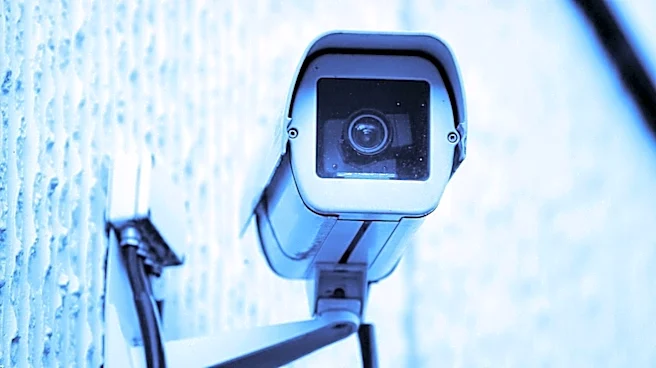
The Wellsville, Kansas, Police Department has announced the termination of its agreements with Flock Safety, effectively discontinuing the use of Flock camera systems in the city. Police Chief Danny Hackler
stated that the decision was made after careful consideration of residents' concerns regarding privacy and surveillance capabilities. The cameras, which have been in place since October 2023, will be covered, and authorization for their use by staff will be removed. While the Flock Safety map indicated three cameras, Chief Hackler clarified that there were only two operational cameras in Wellsville, located on First Street just west of Ash Street, and on 10th Street and Main Street. This move follows a similar decision by the Gardner, Kansas, City Council earlier this week to turn off its Flock cameras and not renew its contract, indicating a growing trend of communities re-evaluating the use of such surveillance technology.
Why It's Important?
This decision by the Wellsville Police Department highlights a growing national debate surrounding the balance between public safety and individual privacy rights in the context of surveillance technology. The discontinuation of Flock cameras in Wellsville, and previously in Gardner, Kansas, reflects increasing community pushback against pervasive surveillance systems. For residents, this means a reduction in the extent of automated monitoring of their movements, addressing concerns about potential overreach and data collection. For law enforcement agencies, it signals a need to engage more deeply with community concerns and potentially explore alternative public safety measures that are less intrusive. The trend could influence other municipalities to reconsider their own use of similar technologies, potentially leading to a broader re-evaluation of surveillance policies across the U.S. The outcome in these Kansas cities could serve as a precedent for how local governments navigate the complexities of modern policing tools and citizen privacy.
What's Next?
Following the termination of the agreement, the Wellsville Police Department will proceed with covering the existing Flock cameras and revoking staff authorization for their use. This action is expected to be implemented promptly. The community will likely monitor the impact of this decision on local crime rates and public perception of safety. Other cities in Kansas and across the U.S. that currently utilize or are considering Flock camera systems may observe Wellsville's experience as they weigh their own policies. This could lead to further public discussions, town hall meetings, and potentially more municipalities opting to discontinue or modify their use of surveillance technologies. Law enforcement agencies might also begin to explore new strategies for crime prevention and investigation that are more aligned with community privacy expectations, possibly investing in different types of technology or increasing community policing efforts.
Beyond the Headlines
The decision to remove Flock cameras in Wellsville delves into the deeper societal implications of technological advancements in policing. Beyond immediate privacy concerns, the debate touches upon issues of algorithmic bias, data security, and the potential for mission creep in surveillance. While proponents argue these cameras are crucial for solving crimes, critics point to the lack of transparency, potential for misuse of data, and the disproportionate impact on certain communities. The removal of these cameras could foster greater trust between the police and the community, but it also places a greater emphasis on traditional policing methods or the development of new, more ethically sound technological solutions. This event underscores the ongoing challenge of integrating advanced technology into civil society while upholding fundamental rights and democratic values, prompting a broader conversation about the future of surveillance in a free society.