
What's Happening?
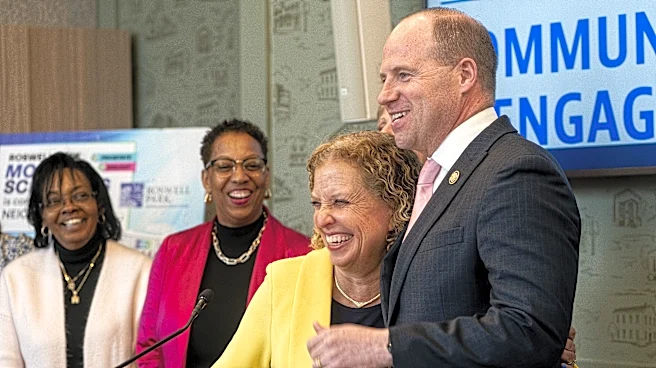
Mayor Zohran Kwame Mamdani, Deputy Mayor Leila Bozorg, and New York City Housing Authority (NYCHA) CEO Lisa Bova-Hiatt have announced a new initiative aimed at enabling public housing residents to purchase
their homes. This effort targets 91 properties across Queens, the Bronx, and Brooklyn. NYCHA has issued a Request for Expressions of Interest (RFEI) to find partners who will rehabilitate these properties and assist existing residents in becoming homeowners. This marks NYCHA's first utilization of the U.S. Department of Housing and Urban Development's (HUD) Section 32 program, which is designed to create homeownership opportunities for public housing residents. The properties, primarily single-family homes, are the final group of over 700 homes transferred to NYCHA by HUD between 1969 and 1982. Eligible residents, after renovations, will have the chance to purchase their homes, with support from a selected partner team. For residents for whom homeownership is not feasible, alternative solutions like a Community Land Trust model will be explored to ensure they can remain in their homes with necessary renovations.
Why It's Important?
This initiative is significant as it directly addresses housing affordability and wealth creation for public housing residents in New York City. By leveraging HUD's Section 32 program, NYCHA is providing a pathway for long-term stability and financial security through homeownership, which has historically been a challenge for this demographic. The program aims to not only provide housing but also to build generational wealth, particularly in areas like Southeast Queens. This move also helps address NYCHA's operational needs by facilitating the rehabilitation of these properties. The involvement of a partner team, including a developer, general contractor, and resident support partner, underscores a comprehensive approach to ensure residents receive necessary guidance and resources throughout the homeownership process. This effort aligns with the Mamdani administration's broader strategy to confront New York City's housing crisis, emphasizing affordable homeownership and the preservation of existing housing.
What's Next?
NYCHA will host a virtual pre-submission conference on December 8, and will accept applicant submissions for the RFEI from November 19 through February 18, 2027. Following this, NYCHA will select a partner team with expertise in rehabilitation and community engagement to facilitate the homeownership process. This team will be responsible for completing renovation work and providing homeownership counseling. The initiative is part of the Mamdani administration's commitment to strengthening public housing and expanding affordable homeownership, which includes doubling the size of the Open Door affordable homeownership program and launching 'Our Home,' an initiative to convert rental housing into permanently affordable co-ops. These efforts are components of a larger plan to create and preserve 400,000 affordable homes over the next decade in New York City.
Beyond the Headlines
The initiative to convert public housing into resident-owned homes carries deeper implications for urban development and social equity. It challenges traditional models of public housing by empowering residents with property ownership, potentially fostering greater community investment and stability. The use of the Section 32 program, and its predecessor Section 5(h) rule, highlights a long-standing federal commitment to resident-led housing solutions, albeit one that is now being more actively utilized. The focus on a 'resident support partner' within the RFEI emphasizes the recognition that homeownership for this population requires more than just property transfer; it necessitates comprehensive support, including financial literacy and maintenance guidance. This approach could serve as a model for other urban centers grappling with similar housing challenges, demonstrating how public-private partnerships and federal programs can be leveraged to address systemic inequalities and promote economic mobility.