




What's Happening?
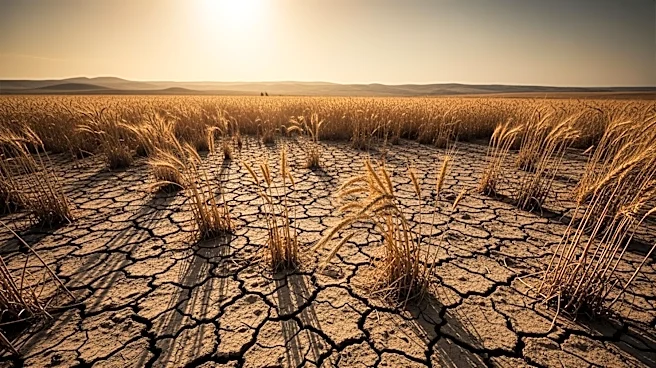
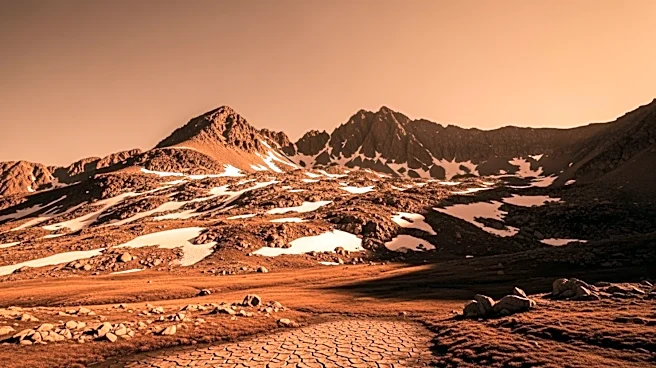
The Upper Colorado Basin is experiencing a significant snow drought, with snowpack levels at record lows due to an intense heatwave in March 2026. The heatwave, which set new temperature records, has drastically reduced the snow water equivalent, a critical
measure for water resources. This situation is alarming for water managers and stakeholders who rely on snowmelt for hydropower, agriculture, and ecosystem sustainability.
Why It's Important?
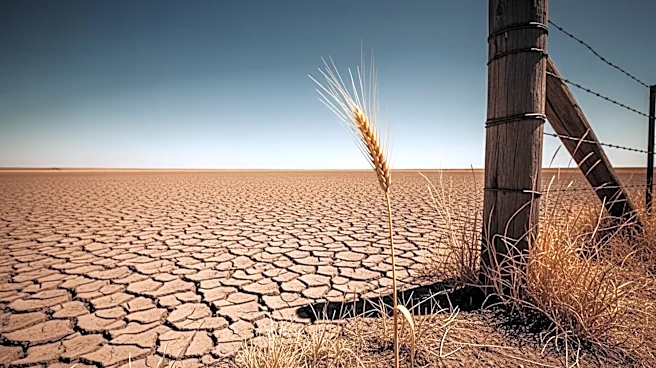
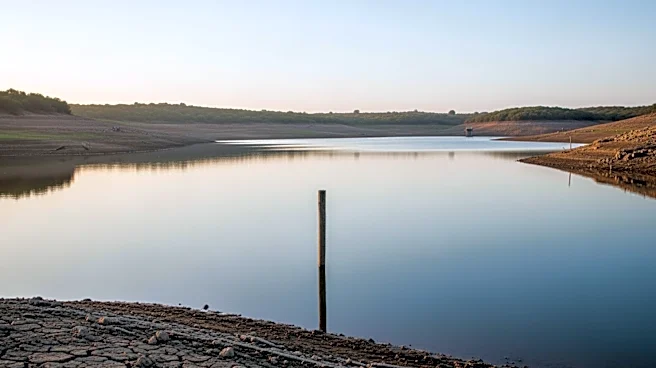
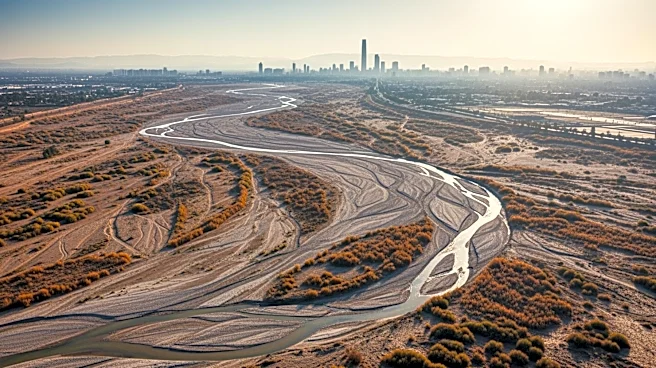
The lack of snowpack in the Upper Colorado Basin has far-reaching implications for water supply and management in the western United States. Reduced snowmelt can lead to lower water levels in reservoirs, affecting hydropower production and water availability for agricultural and urban use. This situation also increases the risk of wildfires and impacts aquatic ecosystems. The ongoing drought conditions highlight the vulnerability of water resources to climate change and extreme weather events.
What's Next?
Water management agencies are considering various mitigation strategies to address the potential water shortages. These include releasing water from upstream reservoirs and reducing water releases from Lake Powell. Stakeholders are also exploring long-term solutions to enhance water conservation and efficiency. Continued monitoring and adaptive management will be crucial as the region faces ongoing climate challenges.