







What's Happening?
The 2026 Metro Atlanta Speaks survey, conducted by the Atlanta Regional Commission (ARC), has identified housing affordability as the primary concern for residents in the metro Atlanta area for the second year in a row. The survey, which gathered insights
from 4,136 adult residents across 11 counties, found that 30% of respondents cited housing affordability as the biggest problem, followed by traffic (22%) and the economy (16%). A significant 51% of those surveyed also rated housing costs as a major impediment to economic mobility. Other barriers to economic advancement included lack of job opportunities (35%), transportation costs (28%), care for an aging parent (26%), public assistance eligibility (26%), and childcare (22%). ARC Board Chair and Mayor of the City of Atlanta, Andre Dickens, emphasized the need for action to improve economic mobility in the region.
Why It's Important?
The consistent identification of housing affordability as a top concern highlights a critical challenge for the economic well-being and social equity of metro Atlanta. High housing costs can limit disposable income, reduce savings, and hinder residents' ability to access better job opportunities or education, thereby stifling economic mobility. This issue disproportionately affects lower and middle-income households, potentially leading to increased inequality and a less diverse workforce. The survey's findings underscore the urgency for policymakers and community leaders to develop and implement effective strategies to address housing affordability, which is crucial for maintaining a vibrant and inclusive regional economy. Failure to address these concerns could lead to a decline in quality of life and hinder the region's long-term growth prospects.
What's Next?
The survey results will be instrumental in informing the development of Opportunity Rising, a new regional coalition dedicated to expanding economic mobility in metro Atlanta. This initiative, led by the Atlanta Regional Commission (ARC), United Way of Greater Atlanta, the City of Atlanta, and the Arthur M. Blank Family Foundation, aims to bring together organizations and leaders to identify effective strategies, track progress, and foster greater alignment in efforts to help residents move forward economically. The coalition will focus on learning from successful approaches and implementing solutions to address the barriers identified in the survey, particularly housing affordability. Continued monitoring through future Metro Atlanta Speaks surveys will assess the impact of these efforts and guide further policy adjustments.
Beyond the Headlines
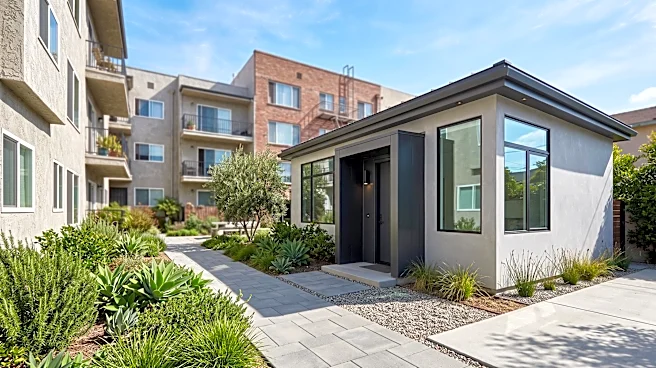
The survey also revealed deeper social implications, with about 40% of respondents having few friends outside their own income range. Research suggests that individuals with fewer financial resources are more likely to achieve economic upward mobility when they have stronger connections with higher-income individuals. This finding points to a potential social stratification that could exacerbate economic disparities. Addressing housing affordability is not just about providing shelter; it's about fostering social integration and creating pathways for economic advancement through broader community connections. The emphasis on 'missing middle' housing, such as tiny homes, backyard apartments, duplexes, and small apartment buildings, indicates a shift in public perception towards more diverse housing options as a viable solution to the affordability crisis.