
What's Happening?
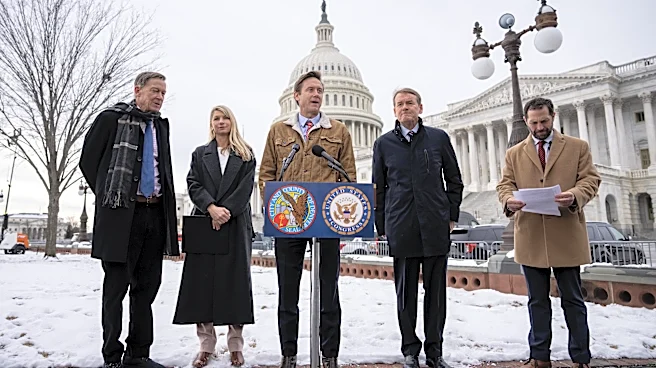
Congresswoman Lizzie Fletcher (TX-07) has introduced the Coastal Resilience Investment Act, a bipartisan piece of legislation co-sponsored by Congressman Randy Weber (TX-14). This bill aims to bolster
coastal communities and resources by establishing the National Fish and Wildlife Foundation Coastal State Fund, which will be managed by the National Fish and Wildlife Foundation (NFWF). The fund is designed to provide $50 million annually from Fiscal Years 2028 to 2032. These funds will be allocated as grants to coastal states to support and promote coastal resources, infrastructure, and ecosystems. The allocation formula dictates that 70% of the funds will be divided equally among coastal states, 15% will be distributed based on the ratio of each state's tidal shoreline, and the remaining 15% will be allocated according to population density in coastal areas. No single coastal state can receive more than five percent of the total funding per fiscal year, with any excess funding redistributed equally among other coastal states.
Why It's Important?
The introduction of the Coastal Resilience Investment Act is significant for U.S. coastal regions, particularly those vulnerable to flooding and natural disasters, such as the Texas Gulf Coast. This legislation addresses a critical need for sustained investment in coastal infrastructure and ecosystem protection, which are vital for both environmental health and economic stability. By providing dedicated funding, the act aims to enhance the resilience of these communities against the increasing impacts of climate change and severe weather events. The bipartisan nature of the bill suggests a broad recognition of the importance of coastal protection, potentially paving the way for more collaborative efforts in environmental policy. The structured allocation of funds ensures that resources are distributed equitably while also considering specific needs based on shoreline length and population density, aiming to maximize the impact of the investment across diverse coastal landscapes.
What's Next?
The Coastal Resilience Investment Act will now proceed through the legislative process, requiring consideration and votes in both the House of Representatives and the Senate. Its bipartisan support could facilitate its passage, but it will still need to navigate potential amendments and debates on funding priorities. If enacted, the National Fish and Wildlife Foundation will be tasked with establishing and managing the Coastal State Fund, developing guidelines for grant applications, and overseeing the distribution of funds to eligible coastal states. States will then be responsible for identifying and implementing projects that align with the act's goals of supporting coastal resources, infrastructure, and ecosystems. The success of this legislation could encourage further federal investment in climate resilience and environmental protection, potentially influencing future policy decisions related to coastal management and disaster preparedness.
Beyond the Headlines
Beyond its immediate financial implications, the Coastal Resilience Investment Act reflects a growing national awareness of the long-term economic and social costs associated with coastal degradation and climate vulnerability. By investing in natural infrastructure and ecosystems, the act promotes a more sustainable approach to coastal protection, moving beyond solely engineered solutions. This shift acknowledges the intrinsic value of natural habitats in providing protection against storms, supporting biodiversity, and offering recreational benefits. The legislation also highlights the importance of federal-state partnerships in addressing complex environmental challenges, fostering collaboration and shared responsibility. The cap on funding for individual states ensures a broad distribution of resources, preventing disproportionate allocation and promoting a more equitable national strategy for coastal resilience. This could set a precedent for future federal programs aimed at addressing regional environmental challenges with a focus on equitable resource distribution and long-term sustainability.