





What's Happening?
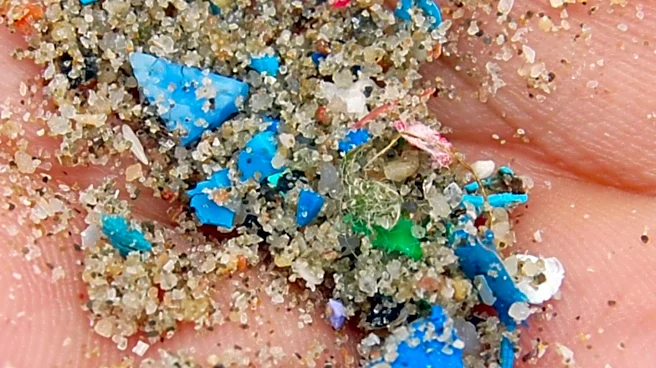
A new study released by the nonprofit PennEnvironment Research & Policy Center has revealed pervasive microplastic contamination throughout the Chesapeake Bay watershed. The report indicates that microplastics were present in every water sample collected
from lakes, rivers, and bayfront locations within the watershed, including dozens of waterways across multiple states, with Pennsylvania being one of them. The Susquehanna River, which is the largest tributary to the Chesapeake Bay, contributes 50% of the fresh water flowing into the Bay. Faran Savitz, a zero waste advocate at PennEnvironment Research & Policy Center, emphasized the alarming nature of these findings for Pennsylvanians concerned about the Bay and the Susquehanna River. Stephanie Wein, Clean Water Advocate for PennEnvironment, highlighted that while microplastics may not be visible to the naked eye, they pose significant threats to the environment and public health, urging policymakers to address plastic pollution.
Why It's Important?
The widespread microplastic contamination in the Chesapeake Bay watershed carries significant implications for both environmental health and human well-being in the U.S. The Chesapeake Bay provides drinking water to approximately 13 million people and supports thousands of animal species. The presence of microplastics in these vital water sources raises concerns about potential long-term health effects on humans through contaminated drinking water and seafood. For aquatic ecosystems, microplastics can be ingested by marine life, leading to physical harm, reduced feeding, and potential transfer of toxins up the food chain. This issue underscores the urgent need for policy interventions to reduce plastic pollution at its source, impacting industries involved in plastic production, waste management, and water treatment. Without effective measures, the economic costs associated with environmental remediation and public health impacts could be substantial, affecting local economies reliant on the Bay's resources.
What's Next?
The PennEnvironment Research & Policy Center's report is expected to prompt increased calls for policy changes and regulatory action to combat microplastic pollution. Policymakers are urged to recognize microplastics as an environmental hazard and implement measures to reduce plastic waste. This could include stricter regulations on single-use plastics, improved waste management and recycling infrastructure, and incentives for businesses to develop and use biodegradable alternatives. Public awareness campaigns may also be launched to educate consumers on the impact of plastic use and encourage responsible disposal. Further scientific research will likely be conducted to better understand the long-term ecological and health impacts of microplastics, guiding future policy decisions and mitigation strategies. The findings could also influence corporate practices, pushing companies to adopt more sustainable packaging and production methods to reduce their environmental footprint.
Beyond the Headlines
The issue of microplastic contamination in the Chesapeake Bay watershed extends beyond immediate environmental concerns, touching upon broader ethical and societal responsibilities. The pervasive nature of microplastics, even in seemingly pristine environments, highlights the cumulative impact of human consumption patterns and waste generation. This situation raises questions about intergenerational equity, as current plastic use habits could impose significant environmental and health burdens on future generations. Legally, the findings could spur discussions on corporate accountability for plastic pollution and the potential for new environmental regulations or litigation. Culturally, it may foster a greater public consciousness regarding sustainability and the need for a shift towards a circular economy model, where resources are reused and recycled rather than discarded. The challenge of microplastics underscores the interconnectedness of human activities with natural systems, demanding a holistic approach to environmental stewardship.