







What's Happening?
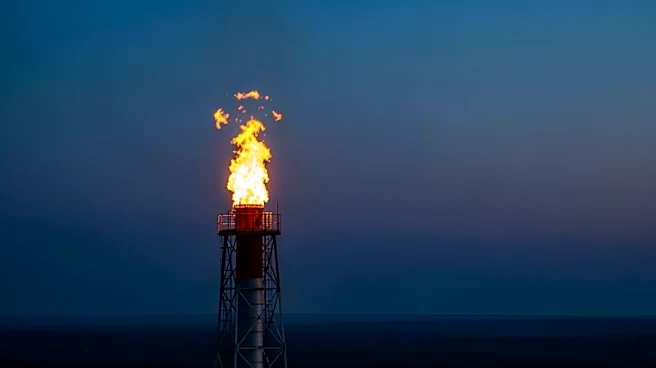
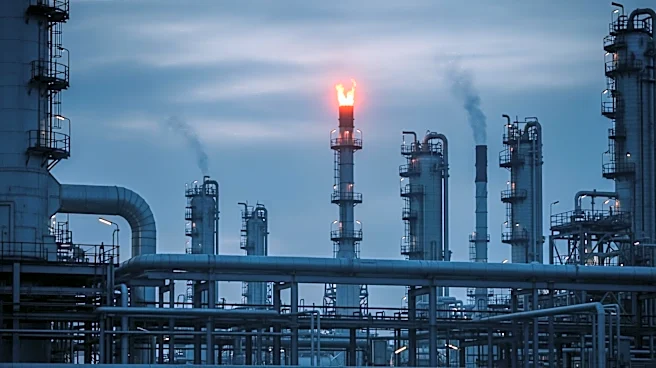
The U.S. Environmental Protection Agency (EPA) has issued guidance permitting oil and gas operators to continue routine flaring, a practice that releases methane and other pollutants, beyond the previously set deadline of May 7th. Methane, a potent greenhouse
gas, has a significant warming impact, and its release is a major environmental concern. The decision has drawn criticism from environmental groups, including the Sierra Club, which argues that ending flaring is a cost-effective way to reduce emissions and protect public health. The EPA's guidance comes despite years of preparation for the phase-out of flaring.
Why It's Important?
The EPA's decision to allow continued flaring has significant implications for environmental policy and public health. Methane emissions contribute to climate change and pose health risks to communities near oil and gas infrastructure. The decision may hinder efforts to meet national and international climate goals, as reducing methane emissions is crucial for mitigating global warming. The move also highlights the ongoing tension between regulatory agencies and environmental advocates over the pace and scope of emissions reductions in the fossil fuel industry.
What's Next?
The EPA's decision may lead to increased scrutiny and pressure from environmental groups and policymakers advocating for stricter emissions controls. There may be calls for legislative action to enforce stricter regulations on flaring and other emissions-intensive practices. The oil and gas industry may also face pressure to adopt alternative technologies and practices to reduce emissions. The decision could influence future regulatory approaches to balancing economic interests with environmental and public health priorities.