

What's Happening?
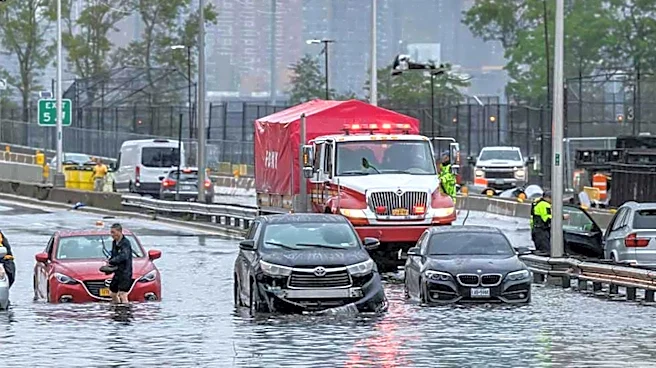
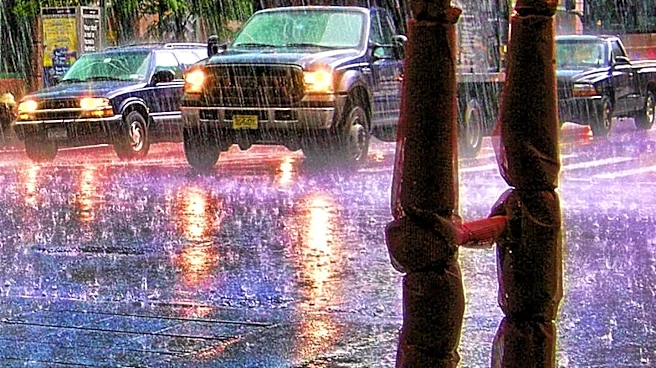
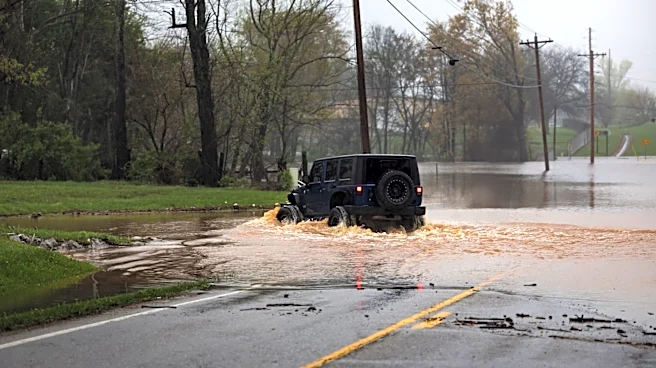
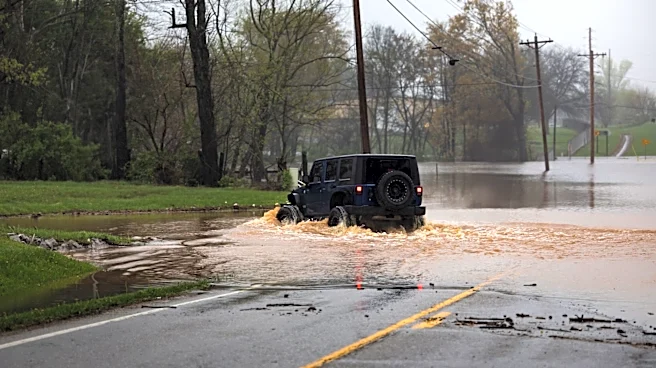
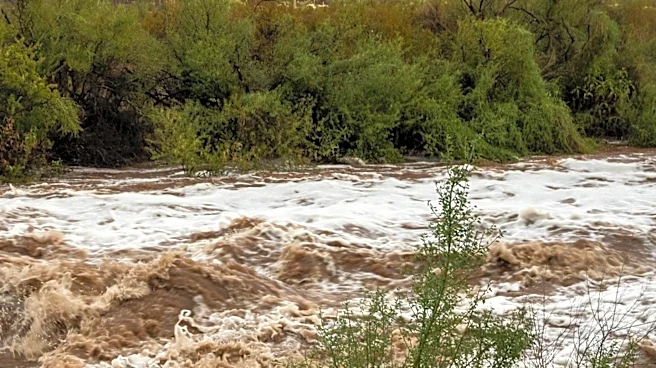
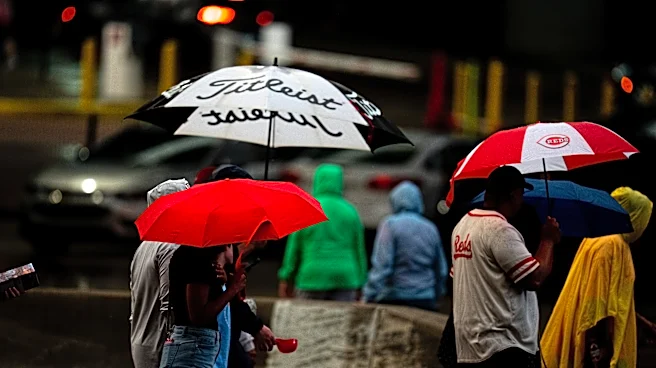
The Washington D.C. region is bracing for another round of heavy storms that could lead to flash flooding, gusty winds, and power outages. The National Weather Service has issued warnings as the area experiences a pattern of daily thunderstorms and showers.
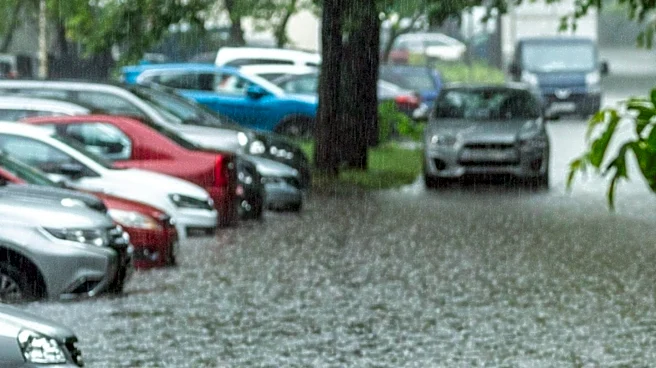
Recent storms have already caused significant disruptions, including downed trees and power lines. D.C. Mayor Muriel Bowser has issued a heat alert due to the risk of heat-related illnesses, compounding the challenges posed by the weather. Meteorologists warn that the storms could produce heavy downpours, particularly in urban areas with poor drainage, leading to potential flooding.
Why It's Important?
The recurring severe weather in the D.C. area highlights the vulnerabilities of urban infrastructure to extreme weather events. The potential for flash flooding poses risks to public safety, transportation, and power systems. The situation underscores the need for robust emergency preparedness and infrastructure resilience in the face of climate change. The heat alert issued by Mayor Bowser also points to the compounded effects of extreme weather, where heat and storms can simultaneously threaten public health and safety. The ongoing weather challenges may prompt discussions on urban planning and climate adaptation strategies to better protect communities.
What's Next?
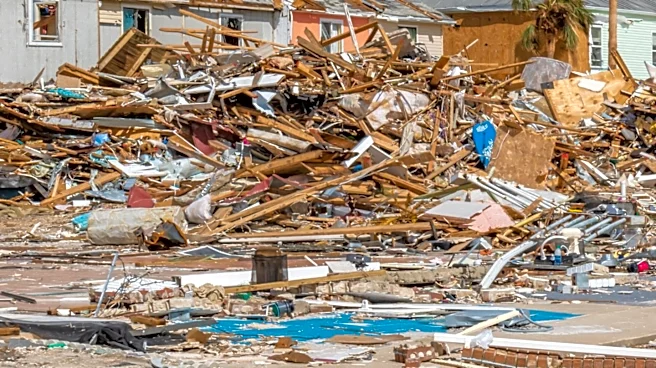
As the D.C. area continues to experience severe weather, local authorities and residents are likely to focus on immediate response efforts, including clearing debris and restoring power. The National Weather Service predicts continued chances of showers and thunderstorms throughout the week, which could exacerbate existing issues. Long-term, there may be increased pressure on local governments to invest in infrastructure improvements and climate adaptation measures to mitigate the impact of future storms. Public awareness and preparedness campaigns may also be intensified to ensure community resilience.