



What's Happening?
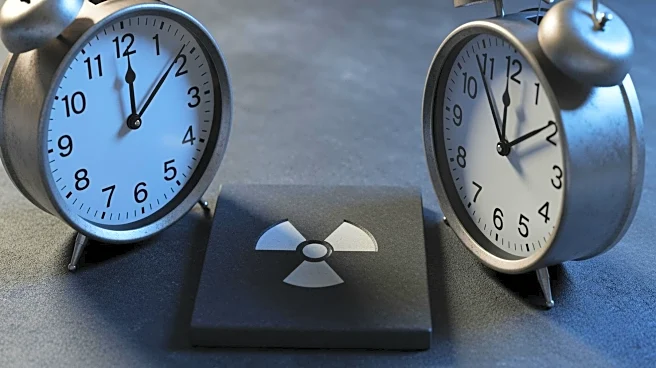
The New START treaty, the last remaining nuclear arms control agreement between the U.S. and Russia, is set to expire in February 2026. This treaty aimed to limit strategic nuclear warheads, and its expiration means there will be no rules governing these
weapons. The Nuclear Non-Proliferation Treaty (NPT) remains in place, with 190 signatories committed to reducing nuclear stockpiles. However, challenges persist as four nuclear powers are outside the NPT, and tensions exist between nuclear and non-nuclear states.
Why It's Important?
The expiration of the New START treaty could lead to an increase in nuclear arsenals, heightening global security risks. The lack of a bilateral arms control agreement between the U.S. and Russia may undermine efforts to prevent nuclear proliferation. The NPT's challenges highlight the difficulties in achieving global disarmament, as geopolitical tensions and differing national interests complicate negotiations.
What's Next?
The expiration of the New START treaty may prompt renewed diplomatic efforts to establish new arms control agreements. The international community may need to address the challenges within the NPT framework to ensure continued progress towards disarmament. Countries may explore alternative strategies to manage nuclear risks and promote global security.
Beyond the Headlines
The expiration of the New START treaty underscores the complexities of nuclear disarmament in a multipolar world. The geopolitical landscape, with emerging nuclear powers and regional conflicts, complicates efforts to achieve comprehensive disarmament. The role of international organizations and multilateral agreements will be crucial in navigating these challenges.