






What's Happening?
The 'Cooking Hypothesis' suggests that the discovery and control of fire, along with the regular consumption of cooked food, fundamentally altered human biology and intelligence. This theory posits that cooking increased the caloric availability of food, breaking
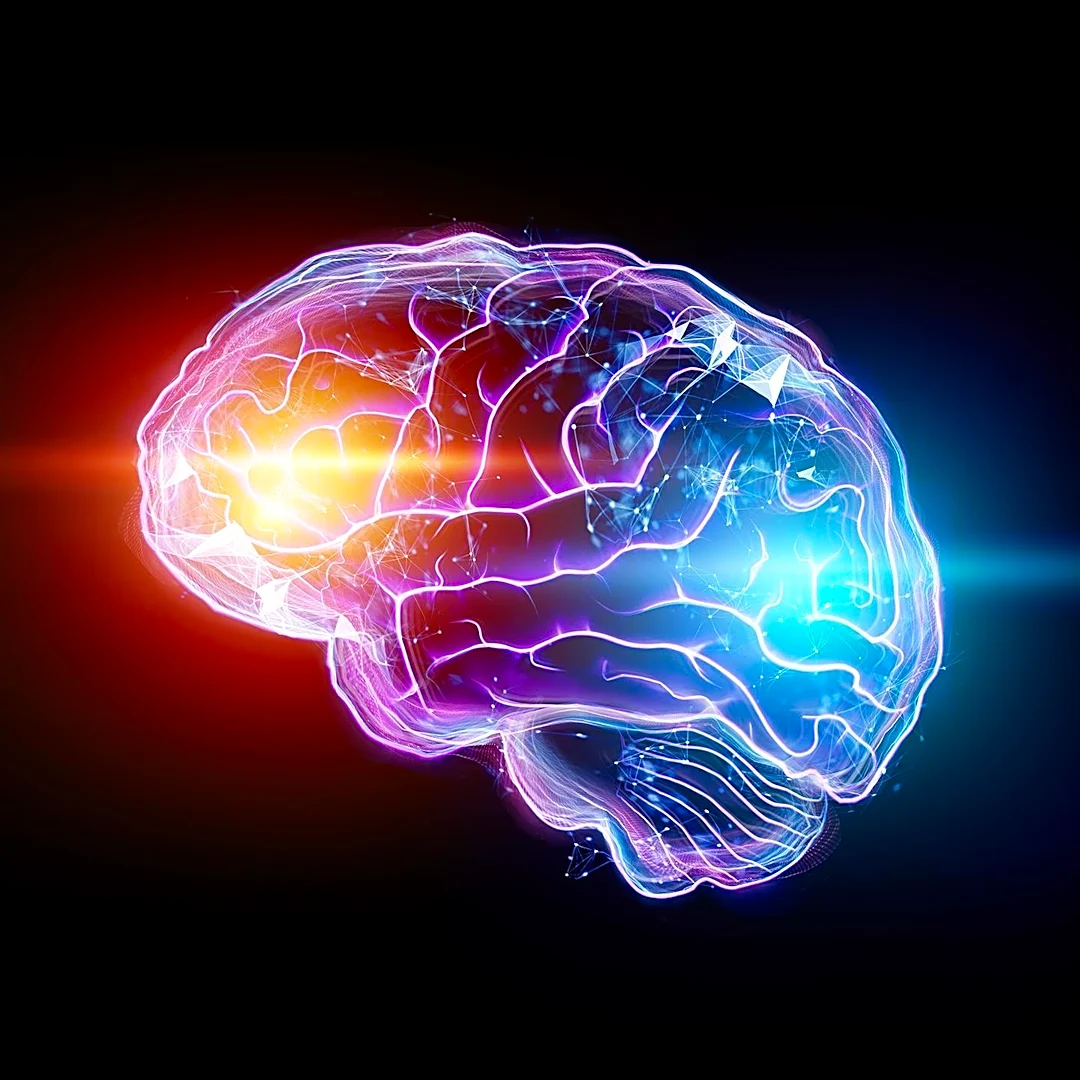
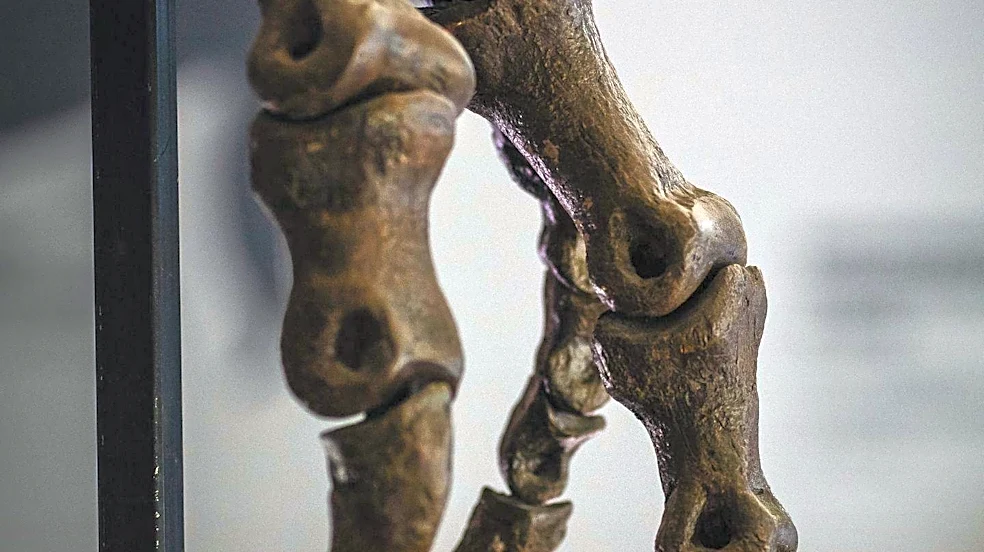
down starches and denaturing proteins, which in turn provided more energy for brain development. Fossil evidence indicates that Homo erectus, appearing approximately 1.8 million years ago, had a brain 50% larger than its predecessor, Homo habilis, alongside smaller teeth and reduced gut size, consistent with a diet of softer, energy-rich foods. Without cooking, humans would need to spend over six hours daily feeding to maintain their current number of neurons, a time commitment that would hinder the development of larger brains. The hypothesis also links improved nutrition in early life to better cognitive outcomes, suggesting that cooked food supported prolonged childhood development, allowing for social learning, language acquisition, and cultural transmission.
Why It's Important?
This hypothesis offers a comprehensive framework for understanding human evolution, connecting metabolic changes, anatomical adaptations, social behaviors, and cultural development. The ability to cook provided a significant evolutionary advantage by making more energy available for brain growth, which is metabolically costly. This energy efficiency allowed early humans to develop larger brains without needing to spend excessive time foraging and eating raw food. Furthermore, communal cooking fostered social bonds, cooperation, and created environments for structured learning and cultural transmission. The shift from raw to cooked food not only supported physical changes but also laid the groundwork for cognitive development, language, and the complex social structures that define human societies. The decline of home cooking in modern industrialized societies, as noted in the source, suggests a potential loss of these social functions, impacting family cohesion and psychological well-being.
What's Next?
While the 'Cooking Hypothesis' is a powerful integrative argument, ongoing research continues to explore other factors that may have contributed to brain expansion, such as social competition and climate variability. Future studies may further refine our understanding of the interplay between diet, social dynamics, and cognitive evolution. Contemporary research in nutritional psychology is also examining how modern dietary patterns, particularly the consumption of ultra-processed foods, impact brain health and cognitive performance. This suggests a continued relevance of diet to cognitive function, even in modern times. The cultural shift away from communal cooking may prompt further investigation into its long-term effects on social structures and individual well-being.
Beyond the Headlines
The 'Cooking Hypothesis' delves into the profound ethical and cultural implications of food preparation. It highlights how a seemingly simple act like cooking can be a cornerstone of human identity, shaping not only our physical evolution but also our social structures, learning capabilities, and cultural heritage. The shift from communal cooking to individualized, time-saving meals in modern societies raises questions about the potential erosion of social cohesion and the psychological benefits associated with shared meals. This perspective encourages a deeper appreciation for the act of cooking as a fundamental human behavior with far-reaching consequences beyond mere sustenance, influencing our cognitive abilities and the fabric of our communities. It also underscores the ongoing impact of diet on mental health and cognitive function in the contemporary world.