




What's Happening?
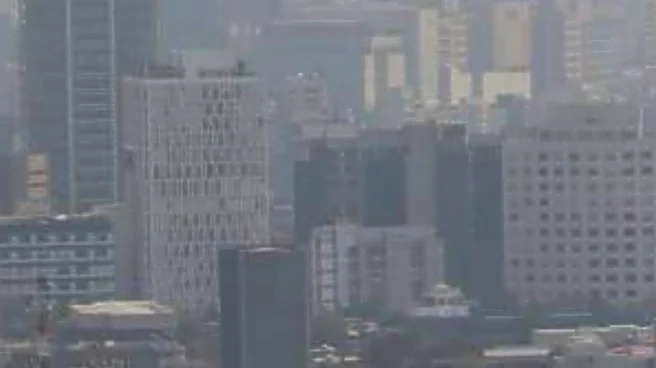
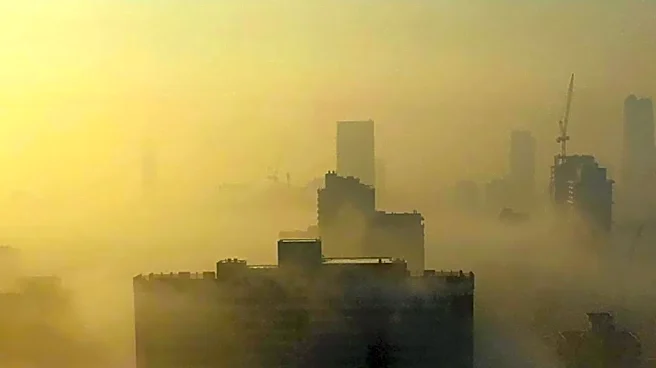
Salt Lake City experiences winter inversions where cold air and pollution become trapped near the valley floor beneath a warmer air layer. This phenomenon, explained by the Utah DEQ, can lead to pollution accumulation over several days. During an inversion,
the normal pattern of air cooling with height reverses, creating a cap of warm air that prevents pollutants from dispersing. The Wasatch, Oquirrh, and Traverse mountains form a basin that shelters this cold air pool from higher winds. Clear skies, long nights, and snow-covered ground contribute to surface cooling and limit vertical air mixing. High pressure further traps emissions from vehicles and heating, leading to a buildup of fine-particle pollution, PM2.5, which can persist for multiple days.
Why It's Important?
Winter inversions in Salt Lake City pose significant health risks and impact daily life for residents. The accumulation of PM2.5 pollution can lead to respiratory issues, especially for sensitive groups such as children, older adults, and individuals with asthma or heart/lung disease. This necessitates adjustments to outdoor activities, with recommendations to shorten or reduce the intensity of exertion during periods of poor air quality. The economic impact can also be felt through reduced tourism if visitors are deterred by unhealthy air conditions, and potential healthcare costs associated with pollution-related illnesses. Understanding and responding to air quality forecasts from the Utah DEQ is crucial for public health and well-being, influencing decisions on outdoor recreation and daily routines.
What's Next?
Residents are advised to regularly check the Utah DEQ’s website or the UtahAir app for current PM2.5 readings, ozone levels, temperature, and wind conditions. These resources provide hourly updates and health forecasts, projecting the highest expected Air Quality Index (AQI) category for the day. This information helps individuals decide on the appropriate level of outdoor activity. When air quality is poor, shorter, easier valley outings or indoor activities are recommended. Heading to higher Wasatch destinations, which may be above the inversion layer, is another option, but requires checking mountain weather and road conditions. The DEQ also issues Action Forecasts, which are advisories for emissions reduction activities like burning and driving, distinct from health categories for personal activity.
Beyond the Headlines
The recurring issue of winter inversions in Salt Lake City highlights broader environmental challenges faced by urban areas situated in geographical basins. It underscores the complex interplay between topography, climate, and human activity in shaping air quality. The reliance on public health advisories and individual behavioral changes points to the need for long-term solutions, including advancements in urban planning, public transportation, and renewable energy sources to reduce emissions. The phenomenon also raises questions about environmental justice, as vulnerable populations may be disproportionately affected by poor air quality. The ongoing efforts to monitor and mitigate pollution during inversions serve as a case study for other cities grappling with similar atmospheric conditions and the imperative to protect public health.