


What's Happening?
Nagasaki Day 2026 will be observed on August 9 to commemorate the victims of the atomic bombing of Nagasaki during World War II. The day serves as a reminder of the devastating consequences of nuclear warfare and emphasizes the importance of global peace
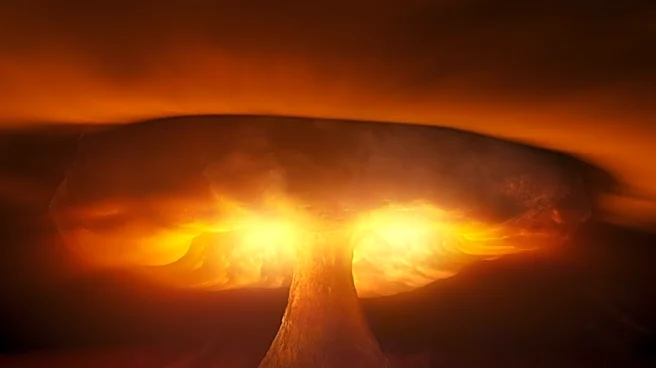
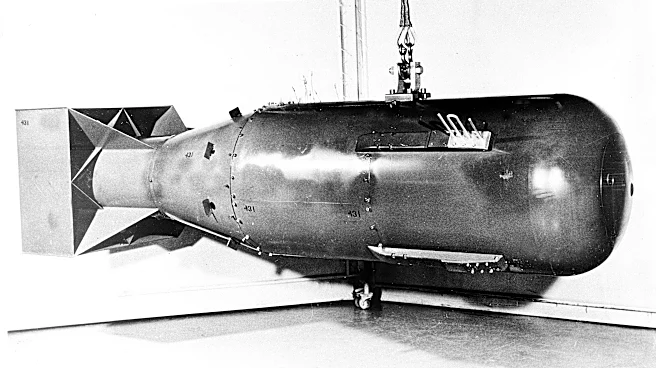
and disarmament. The bombing of Nagasaki on August 9, 1945, involved the 'Fat Man' plutonium-based atomic bomb, which was dropped by the B-29 Superfortress Bockscar. Originally, Kokura was the primary target, but poor weather conditions led to the selection of Nagasaki. The explosion resulted in widespread destruction and significant loss of life, with immediate deaths estimated between 40,000 and 75,000, and the toll rising to 70,000-80,000 by the end of 1945 due to radiation exposure.
Why It's Important?
The Nagasaki bombing, along with the Hiroshima bombing, played a crucial role in Japan's surrender and the end of World War II. These events have had lasting impacts on global attitudes towards nuclear weapons and have strengthened international efforts for nuclear disarmament. Nagasaki Day serves as a platform to promote peace and raise awareness about the humanitarian consequences of nuclear weapons. It encourages countries to resolve conflicts through dialogue and cooperation rather than warfare, reinforcing the global commitment to a world free of nuclear weapons.
What's Next?
Global efforts towards nuclear disarmament continue to be a priority, with international treaties and diplomatic negotiations aiming to reduce and eliminate nuclear weapons. The Treaty on the Non-Proliferation of Nuclear Weapons (NPT) and the Comprehensive Nuclear-Test-Ban Treaty (CTBT) are key components of these efforts. Survivors of the bombings, known as Hibakusha, play a vital role in advocating for disarmament by sharing their experiences. Nagasaki Day 2026 will further highlight these efforts and encourage continued international cooperation to prevent future nuclear conflicts.