






What's Happening?
A recent report from the U.S. Centers for Disease Control and Prevention (CDC), published in the Journal of Infectious Diseases, details how an adult traveler, unprotected against measles, flew from Europe to the United States and subsequently spread
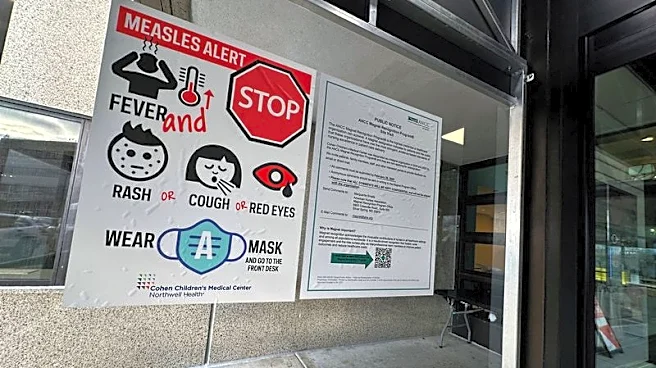
the virus to 17 other individuals. The traveler arrived at Denver International Airport in Colorado in May 2025, spent a night in a hotel, and then took a domestic flight to North Dakota. During the trip, the individual developed measles symptoms, including fever, cough, and pink eye, with the characteristic rash appearing one day after returning home. Through contact tracing, researchers identified 135 exposed travelers, 15 of whom became infected. These infections occurred during international and domestic flights, as well as at the airport. Two additional cases resulted from contact with individuals exposed during the travel-related outbreak, bringing the total to 17 cases.
Why It's Important?
This incident underscores the significant public health risk posed by unvaccinated individuals traveling internationally, particularly in the context of highly contagious diseases like measles. The rapid spread of the virus across multiple travel segments—international flight, domestic flight, and airport—demonstrates how quickly infectious diseases can disseminate within the U.S. population. For U.S. public health, this event highlights the critical importance of robust vaccination programs and surveillance systems to prevent and contain outbreaks. It also emphasizes the need for travelers to be up-to-date on vaccinations, not only for their own protection but also to safeguard vulnerable communities, including infants too young to be vaccinated and individuals with compromised immune systems. The economic impact of such outbreaks can include healthcare costs, lost productivity, and potential disruptions to travel and commerce.
What's Next?
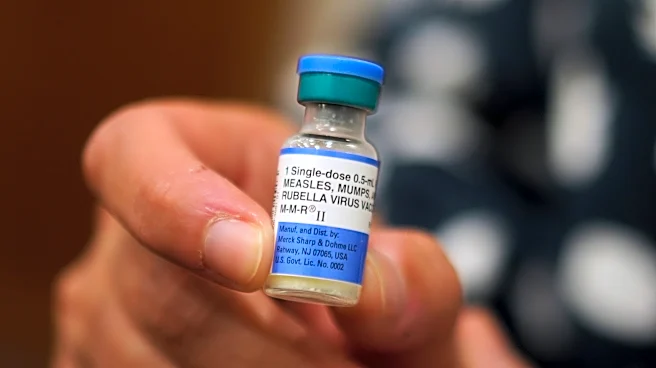
The CDC and public health authorities will likely continue to emphasize the importance of measles vaccination for all eligible individuals, especially those planning international travel. Recommendations will likely include advising individuals experiencing symptoms of illness to postpone travel to prevent further spread. Health agencies may also reinforce guidelines for healthcare providers to remain vigilant for measles cases and to conduct thorough contact tracing when infections are identified. This event could prompt discussions about enhanced screening measures or public awareness campaigns at airports regarding infectious disease prevention. The findings will serve as a reminder for individuals to consult with travel health specialists before trips to ensure they have received all recommended vaccinations and understand other preventive measures.
Beyond the Headlines
This measles outbreak highlights the broader societal implications of vaccine hesitancy and the interconnectedness of global health. Even with high vaccination rates in some areas, a single unvaccinated traveler can reintroduce a preventable disease, challenging herd immunity and putting vulnerable populations at risk. The incident also raises ethical considerations regarding individual liberty versus collective public health responsibility. It underscores the need for effective public health communication to counter misinformation about vaccines and to promote a shared understanding of the benefits of vaccination for community well-being. Furthermore, it points to the ongoing challenge of managing infectious diseases in an era of frequent international travel, requiring continuous adaptation of public health strategies and international cooperation.