







What's Happening?
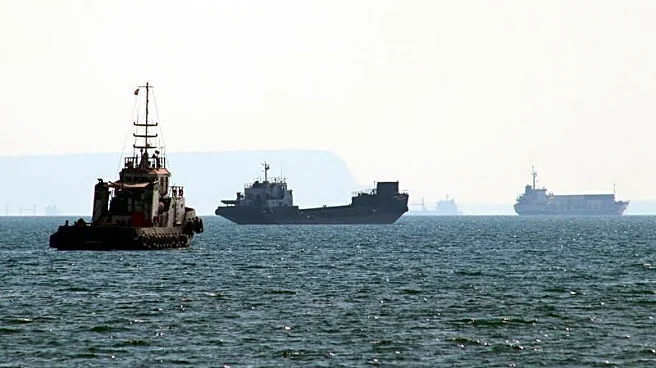
The General Secretariat of the Organization of American States (OAS) has released a report outlining proposals to strengthen security at Haiti’s ports and trade routes. These measures aim to combat illicit trafficking, protect essential infrastructure,
and support Haiti’s recovery. Key recommendations include establishing an interagency Port Control Center to coordinate security efforts, improving maritime surveillance through a single data-sharing platform utilizing radar and satellite imagery, and enhancing the protection of terminals and logistics corridors with access controls, cameras, lighting, and escorts for humanitarian and commercial cargo. The report also suggests professionalizing maritime and port personnel through certification and anti-corruption measures, and modernizing the legal framework to include a port security fund financed by dedicated fees. This initiative stems from the 2026 OAS Conference on Maritime and Port Security in Haiti, held in Panama City.
Why It's Important?
The proposed security enhancements for Haiti's ports and trade routes are crucial for the country's stability and recovery, with significant implications for regional security, including the U.S. A more secure maritime environment in Haiti directly contributes to combating the illicit trafficking of firearms, narcotics, and other contraband, which often impacts U.S. borders and communities. By protecting legitimate trade and facilitating humanitarian assistance, these measures can help stabilize Haiti, reducing potential migratory pressures and fostering economic development. The U.S. stands to gain from a more secure and prosperous Haiti, as it can mitigate regional instability and reduce the flow of illegal goods. Conversely, a failure to implement such measures could exacerbate existing challenges, leading to increased illicit activities and further destabilization in the Caribbean, potentially requiring greater U.S. intervention or resources.
What's Next?
The OAS report is being made available to member states, international organizations, and entities involved in cooperation projects in Haiti. The objective is to guide the implementation of the identified recommendations, facilitating the planning and coordination of future interventions. The document emphasizes combining immediate improvements with long-term institutional reforms, under the leadership of Haitian authorities and with regional and international support. The goal is to translate these priorities into concrete, measurable improvements in Haiti’s maritime and port security. The financial support from the Government of Canada, through its Anti-Crime Capacity Building Program, indicates a collaborative international effort to strengthen maritime, border, and cargo security across the Americas, suggesting continued international engagement and funding will be critical for the successful execution of these plans.
Beyond the Headlines
Beyond the immediate security and economic benefits, the OAS initiative touches upon deeper issues of governance, rule of law, and international cooperation in fragile states. The emphasis on professionalizing personnel and implementing anti-corruption measures highlights the systemic challenges that often undermine security efforts in countries like Haiti. The success of these proposals will depend not only on financial investment and technological upgrades but also on the political will and institutional capacity within Haiti to enact and sustain reforms. This effort could serve as a model for how international bodies can support national governments in strengthening critical infrastructure and combating transnational crime, fostering long-term stability and development. The focus on aligning international assistance with Haitian priorities is key to ensuring sustainable outcomes and avoiding the pitfalls of externally imposed solutions.