







What's Happening?
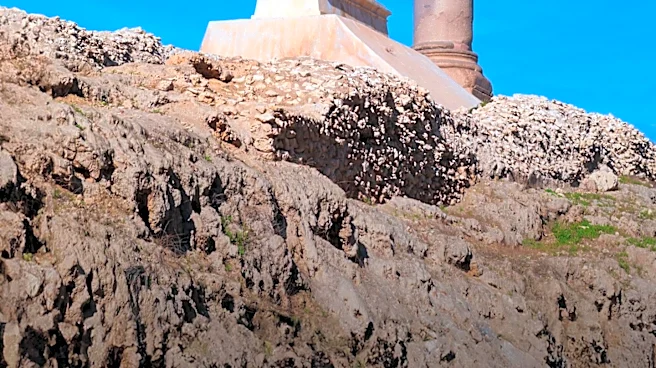
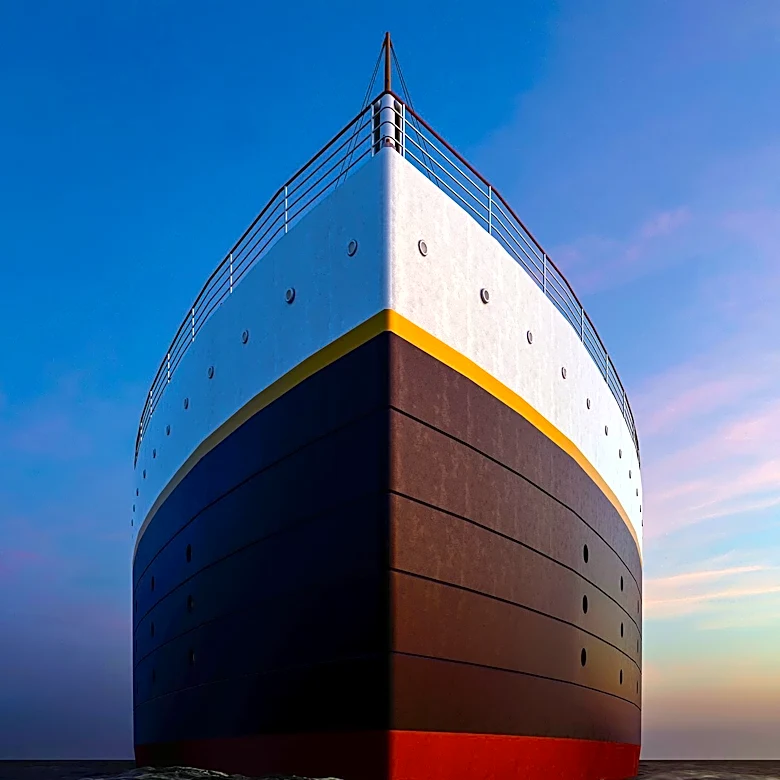
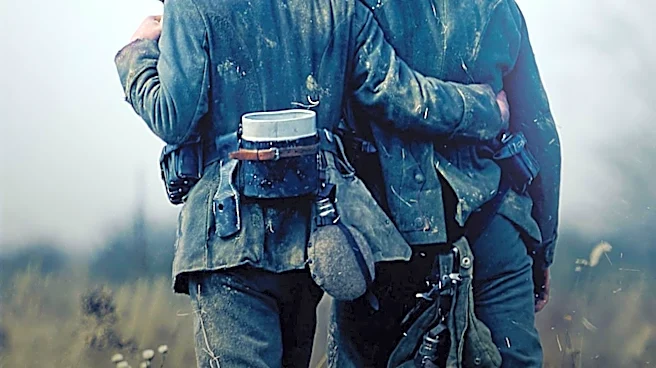
An excavation in Hengchun Township, Taiwan, is underway to recover the remains of Japanese soldiers who perished during World War II. The site is linked to the sinking of a military transport vessel in the Bashi Channel, attacked by U.S. forces in 1944.
Over 4,700 soldiers and crew members died, with only 65 survivors. The Japan Association for the Recovery and Repatriation of War Casualties is leading the effort, which involves DNA testing to identify remains. This initiative follows a 2016 Japanese law aimed at accelerating the recovery of war remains, extended through 2030.
Why It's Important?
The excavation highlights ongoing efforts to address historical wartime losses and provide closure to bereaved families. With over 1 million Japanese soldiers' remains still unrecovered, this initiative underscores Japan's commitment to acknowledging its wartime history. The recovery efforts also reflect the broader cultural and historical reconciliation processes in the Asia-Pacific region, where wartime memories continue to influence contemporary relations.
What's Next?
The excavation is expected to last a week, with any identified remains to be sent to Japan for further analysis. The initiative may prompt similar recovery efforts in other regions affected by WWII. The Japanese government and involved organizations may continue to expand their search and recovery operations, potentially fostering international cooperation in historical reconciliation.
Beyond the Headlines
The excavation not only addresses historical grievances but also involves cultural and religious dimensions. Local religious groups and volunteers play a crucial role in memorializing the war dead, offering comfort to families and preserving historical memory. This reflects a broader societal effort to reconcile with the past and promote peace.