





What's Happening?
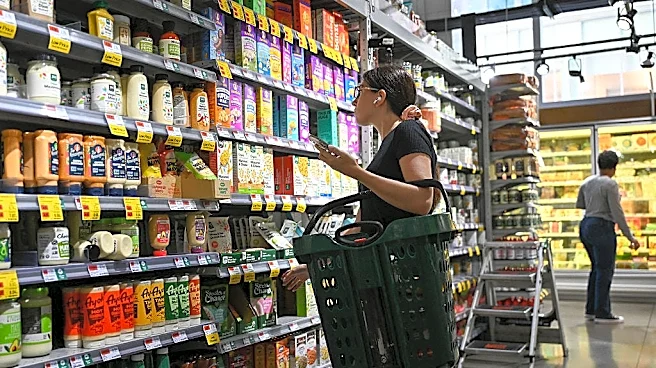
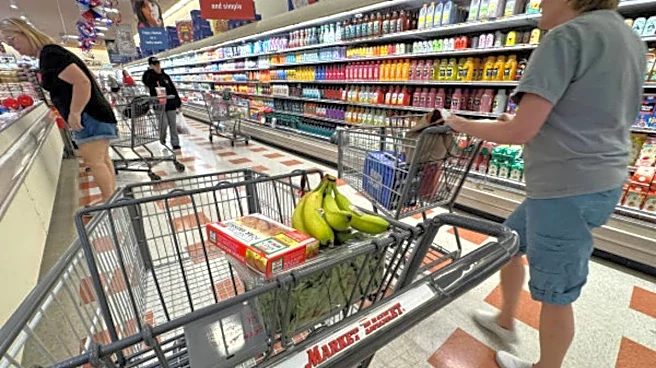
A recent Consumer Reports investigation highlights a growing trend of U.S. consumers incurring debt to cover grocery expenses. Many shoppers are increasingly relying on credit cards or 'Buy Now, Pay Later' (BNPL) plans for their food purchases, subsequently
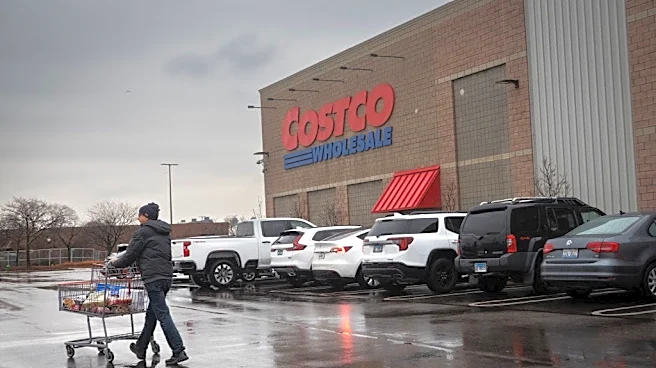
struggling to repay these debts. This situation is exacerbated by rising grocery prices, which are putting a significant financial strain on households. An analysis by the Urban Institute revealed that over one in four working-age adults faced difficulties paying off credit card grocery bills last year, and nearly one in ten used BNPL services, often struggling with payments. Consumer Reports offers practical advice to mitigate these costs, including checking existing pantry items before shopping, setting a budget, and comparing prices across different retailers. They specifically note that stores like Costco, BJ’s, Aldi, and Lidl often offer better value than Walmart for groceries. Additionally, consumers are advised to utilize digital and manufacturer coupons, look for store brands, and compare unit prices to identify the best deals.
Why It's Important?
The increasing reliance on credit for essential purchases like groceries signals a broader economic challenge for many U.S. households. This trend can lead to a cycle of debt, as interest charges on credit cards and potential fees from BNPL services further strain already tight budgets. The report underscores the impact of inflation on everyday living costs, pushing consumers to adopt financial strategies that may have long-term negative consequences for their personal finances. For retailers, this shift in consumer behavior could influence purchasing patterns, with a potential increase in demand for discount stores and private-label products. The advice from Consumer Reports emphasizes financial literacy and strategic shopping as crucial tools for consumers to maintain financial stability amidst rising costs, highlighting the importance of informed decision-making in managing household expenses and avoiding debt accumulation.
What's Next?
As grocery prices continue to be a concern, consumers are likely to increasingly adopt cost-saving strategies recommended by organizations like Consumer Reports. This could lead to a sustained shift in shopping habits, favoring discount retailers, store brands, and the diligent use of coupons and loyalty programs. Retailers may respond by enhancing their deal offerings, expanding private-label selections, and potentially adjusting pricing strategies to attract budget-conscious shoppers. Policymakers might also face increased pressure to address the rising cost of living and its impact on household budgets, potentially leading to discussions around economic support measures or inflation control. The continued monitoring of consumer debt related to essential goods will be crucial for understanding the financial health of U.S. households and informing future economic policies.
Beyond the Headlines
The phenomenon of going into debt for groceries points to a deeper societal issue beyond mere financial management: the erosion of purchasing power for a significant portion of the U.S. population. It highlights how essential needs are becoming increasingly unaffordable, pushing families into precarious financial situations. This trend can have cascading effects on overall well-being, impacting nutritional choices, mental health due to financial stress, and the ability to save for future emergencies or investments. The reliance on credit for food also raises ethical questions for financial institutions and retailers regarding responsible lending and pricing practices. It underscores the growing disparity in economic stability, where some households can absorb price increases while others are forced to compromise their financial future to put food on the table, potentially widening the wealth gap and exacerbating social inequalities.