




What's Happening?
Regular skin checks, combined with consistent sun protection and awareness of changes to one's own skin, are crucial for identifying suspicious lesions early. Australia, for instance, has one of the highest rates of skin cancer globally, including melanoma,
basal cell carcinoma (BCC), and squamous cell carcinoma (SCC). While skin checks do not prevent cancer, they aid in early detection, which often leads to more straightforward treatment. Individuals with fair skin, a history of significant sun exposure, numerous or unusual moles, a personal or family history of melanoma, or a history of tanning bed use are at increased risk. General practitioners assess individual risk and advise on the frequency of examinations, which may involve inspecting various body areas and using a dermatoscope for detailed lesion examination.
Why It's Important?
The emphasis on regular skin checks and sun protection is vital for public health, particularly in regions with high UV exposure. Early detection of skin cancer significantly improves treatment outcomes and reduces mortality rates. By educating the public on risk factors and the importance of self-monitoring, healthcare providers empower individuals to take proactive steps in managing their health. The ABCDE rule (Asymmetry, Border, Colour, Diameter, Evolving) provides a simple yet effective tool for self-assessment, enabling people to identify potentially cancerous moles. This preventative approach not only saves lives but also reduces the burden on healthcare systems by minimizing the need for more complex and costly treatments associated with advanced-stage cancers. It underscores the critical link between personal vigilance and professional medical oversight in combating skin cancer.
What's Next?
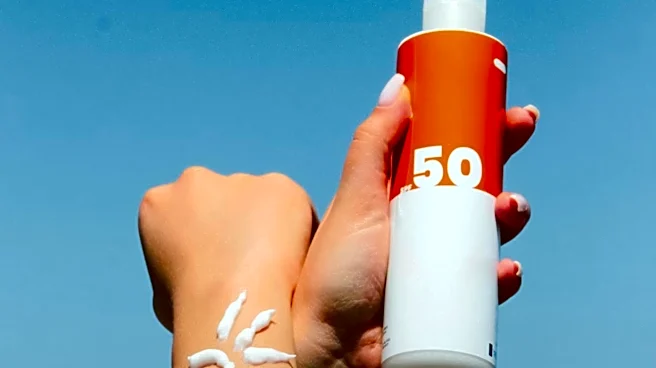
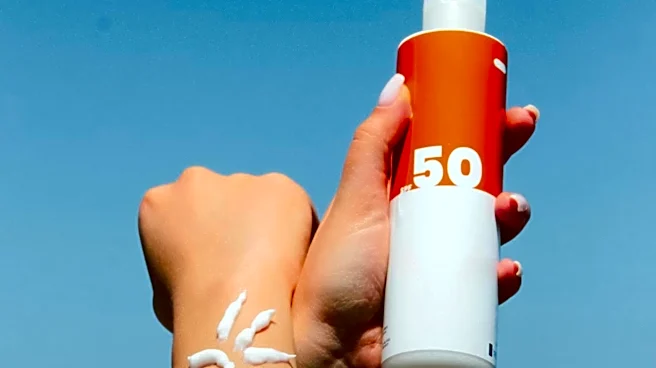
Individuals are advised to become familiar with their skin and perform regular self-checks, utilizing mirrors or assistance for hard-to-see areas. Any new or changing moles, growing lesions, non-healing sores, recurrent bleeding, or persistent rough/scaly areas should prompt an immediate visit to a general practitioner. GPs may then recommend routine monitoring, photographic documentation, short-interval reviews, biopsies, excisions, or referrals to dermatologists. Sun protection remains paramount, including seeking shade, wearing protective clothing, broad-brimmed hats, sunglasses, and applying broad-spectrum, water-resistant sunscreen. These measures should be consistently applied, especially when UV levels are high, to complement skin checks and reduce overall UV-related skin damage.
Beyond the Headlines
The ongoing focus on skin cancer prevention through regular checks and sun protection highlights a broader societal shift towards preventative healthcare and increased health literacy. This public health initiative encourages individuals to take ownership of their well-being and understand the environmental factors that impact their health. It also brings to light the long-term consequences of sun exposure, challenging cultural norms that historically valued tanning. The integration of self-checks with professional medical advice fosters a collaborative approach to health management. Furthermore, it underscores the importance of continuous education campaigns to adapt to changing environmental conditions and evolving scientific understanding of skin cancer, ensuring that public health strategies remain effective and relevant for future generations.