
What's Happening?
Harish Chaudhary, AICC General Secretary and in-charge for Madhya Pradesh Congress, has expressed concerns over the proposed US-India trade deal, suggesting it could negatively impact the agricultural sector in India. Chaudhary cited historical examples,
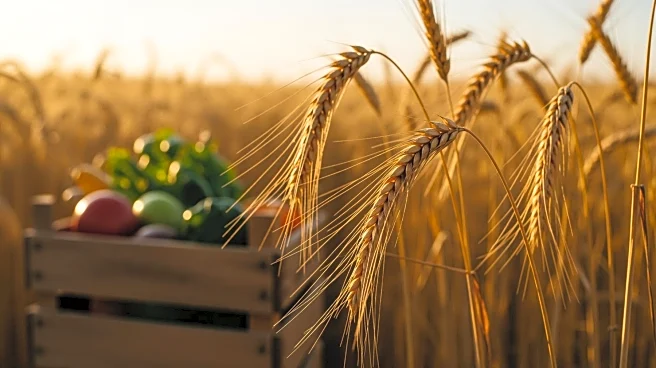
such as the US food supply blockade between 1965 and 1971, to highlight potential risks. He warned that importing soybeans and cotton from the US could harm Indian farmers and small traders, particularly in Madhya Pradesh. The Congress party plans to organize a massive farmers' conference in Bhopal, attended by Congress President Mallikarjun Kharge and Lok Sabha LoP Rahul Gandhi, to raise awareness and protest against the trade deal.
Why It's Important?
The proposed trade deal between the US and India could have significant implications for the agricultural sector in India, which is a crucial part of the country's economy and livelihood for millions of farmers. The importation of agricultural products from the US could lead to increased competition for local farmers, potentially driving down prices and affecting their income. The Congress party's planned protests and awareness campaigns indicate strong political opposition to the deal, which could influence public opinion and policy decisions. The situation underscores the delicate balance between international trade agreements and domestic economic interests.
What's Next?
The Congress party is set to hold a 'Kisan Mahapanchayat' in Bhopal on February 24, where thousands of farmers are expected to participate. This event will mark the beginning of a nationwide movement by the Congress to raise public awareness about the potential impacts of the US-India trade deal. The party plans to stage protests at the Madhya Pradesh Legislative Assembly and initiate a 'Kisan Chaupal' in Budhni, along with a farmers' foot march from Vidisha. These actions could lead to increased political pressure on the government to reconsider or renegotiate aspects of the trade deal.