






What's Happening?
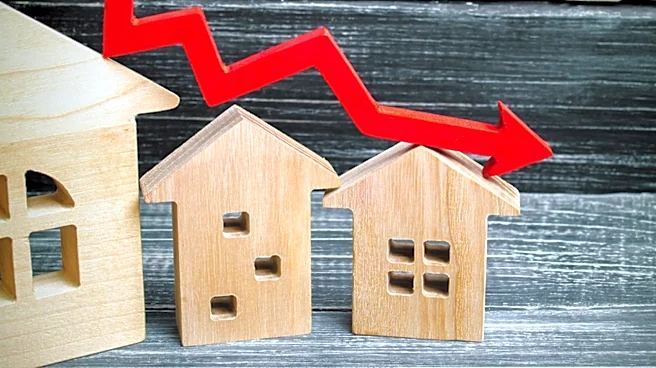
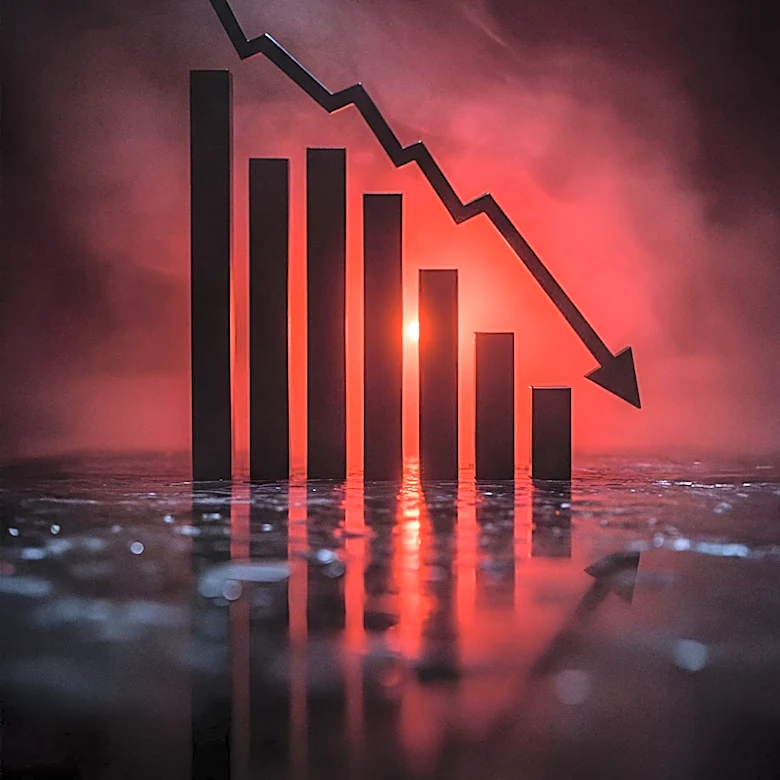
The United States is grappling with a severe housing affordability crisis, characterized by elevated home prices, high mortgage rates, and a persistent shortage of affordable homes. Existing-home sales in October fell to their lowest level since 2010,
with an 8.8% decrease compared to the previous year and a 5.5% drop from September, reaching a seasonally adjusted annual rate of 3.75 million. The median existing-home sales price hit $416,700 in October, marking the 40th consecutive month of year-over-year price increases. Mortgage rates have climbed to their highest levels since 2000, excluding one month in 2023. According to David Dworkin, President and CEO of the National Housing Conference, there is no single cause for the crisis, but rather a 'perfect storm' of factors including the pandemic, the lingering effects of the 2008 housing crisis, and a combination of local, state, and federal policies. Economists and housing analysts are proposing several federal policy changes to improve conditions, such as fully implementing the 21st Century ROAD to Housing Act and passing additional bipartisan tax legislation.
Why It's Important?
The ongoing housing affordability crisis has significant implications for U.S. households, particularly first-time buyers, and the broader economy. High home prices and borrowing costs are making homeownership increasingly unattainable for many, impacting wealth accumulation and economic mobility. The shortage of affordable homes exacerbates this issue, leading to increased competition and further price hikes. The proposed federal policy changes, if implemented, could alleviate some of these pressures by expanding access to lower-cost mortgages, encouraging affordable rental housing development, and providing tax incentives for construction and rehabilitation in distressed neighborhoods. Conversely, a failure to address these issues could lead to continued economic instability, widening wealth disparities, and potential social unrest as housing becomes an even more contentious issue. The market's current state also affects the construction industry and related sectors, as weakened demand due to high costs can slow new development.
What's Next?
Analysts suggest that improvements in the housing market could begin emerging by the end of 2027 if Congress fully implements existing housing legislation and passes additional tax measures. Key proposals include the full implementation and funding of the 21st Century ROAD to Housing Act and additional bipartisan tax legislation. Other measures aim to expand access to lower-cost mortgages for first-time buyers, encourage affordable rental housing development, and provide tax incentives for construction and rehabilitation in distressed neighborhoods. David Dworkin also supports the More Homes on the Market Act, which would double the capital gains tax exclusion on sales of primary residences and index it to inflation, to encourage long-time homeowners to sell. While existing-home sales may be nearing their lowest point, a rapid recovery is not anticipated, and sales could remain near historic lows for some time without significant policy interventions.
Beyond the Headlines
The housing affordability crisis extends beyond immediate economic concerns, touching upon fundamental aspects of the American dream and social equity. The increasing disconnect between housing costs and median incomes challenges the traditional pathway to financial stability and intergenerational wealth transfer. The crisis also highlights the complex interplay of federal, state, and local policies, demonstrating how seemingly disparate regulations can collectively contribute to a national challenge. The debate over solutions often involves balancing market forces with social welfare, raising questions about the government's role in ensuring basic necessities like housing. Furthermore, the crisis could lead to demographic shifts as individuals and families are forced to relocate to more affordable areas, potentially impacting local economies and community structures. The long-term implications could include a more stratified society where homeownership becomes a privilege rather than an achievable goal for a broad segment of the population.