






What's Happening?
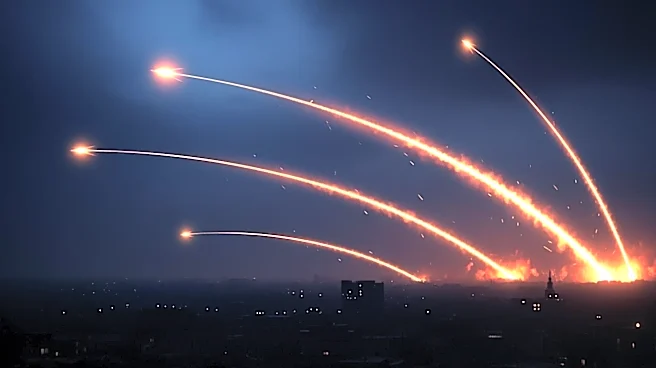
The Home Front Command has updated its security guidelines for northern Israeli communities due to escalating tensions with Hezbollah. The new measures restrict gatherings in areas along the Lebanese border to a maximum of 1,500 people. These guidelines are effective
from 22:30 on Sunday until 20:00 on Monday. This decision follows recent intensifying exchanges between Hezbollah and the Israel Defense Forces (IDF) in southern Lebanon. The Conflict Line Forum, representing local communities, has independently declared an 'orange' alert, leading to the closure of schools and educational centers starting Tuesday. Moshe Davidovitz, head of the Mateh Asher Regional Council, criticized the perceived disconnect between decision-makers and local realities, emphasizing the need for proactive safety measures.
Why It's Important?
The updated security measures highlight the ongoing volatility in the region, with potential implications for both local and broader geopolitical stability. The restrictions on gatherings aim to protect civilians amid fears of further escalation. The situation underscores the fragile nature of the ceasefire agreement, with both sides accusing each other of violations. The IDF's continued operations in southern Lebanon and Hezbollah's demands for withdrawal reflect deep-seated tensions that could impact regional security. The local communities' response, including school closures, indicates a significant disruption to daily life, affecting education and community activities.
What's Next?
The situation remains tense, with potential for further military engagements if diplomatic efforts do not succeed in de-escalating the conflict. The international community may increase pressure on both parties to adhere to ceasefire terms and engage in dialogue. Local authorities will likely continue to monitor the situation closely, adjusting security measures as needed to protect residents. The ongoing conflict could also influence broader Middle Eastern geopolitics, potentially involving other regional actors.