




What's Happening?
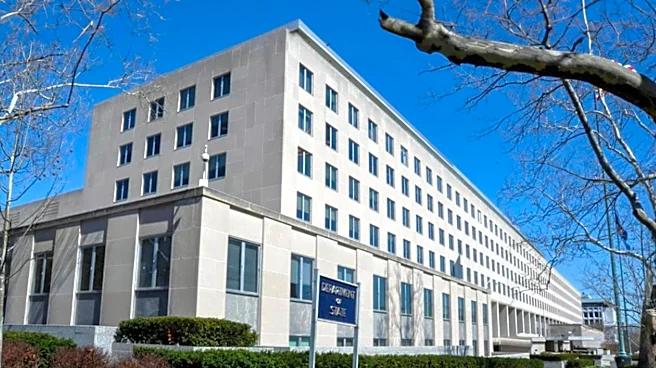
Muslim Advocates has filed Freedom of Information Act (FOIA) requests with the U.S. Department of State and the U.S. Department of Homeland Security. The organization is seeking information regarding a reported plan by the State Department to revoke B1
and B2 visas en masse. These visas, issued between 2016 and 2026, are reportedly targeted for individuals who have sought or are currently seeking asylum in the United States. Public estimates suggest that up to 200,000 individuals could be affected by this potential mass revocation. This reported plan follows an April 2026 directive that requires visa applicants to affirm they do not fear harm or mistreatment upon returning to their country of nationality. As of the filing, neither the State Department nor any other federal agency has made a formal announcement about this mass visa revocation, and details regarding its implementation remain undisclosed. Muslim Advocates asserts that this lack of transparency necessitates their FOIA requests to understand the development, implementation, and potential impact of such a policy.
Why It's Important?
This reported plan to revoke a large number of B1 and B2 visas carries significant implications for immigration policy and the rights of asylum seekers in the United States. If implemented, it could represent the largest-scale visa revocation in U.S. history, potentially affecting hundreds of thousands of individuals who entered the country for business or tourism and later sought protection. Critics, such as Muslim Advocates Legal Fellow Nargis Aslami, argue that this action is part of a broader strategy to restrict access to asylum, driven by what they describe as a 'racist and xenophobic agenda.' The move could create substantial legal and humanitarian challenges, potentially leaving many individuals in precarious situations without clear pathways for legal recourse. Furthermore, the lack of formal announcement and public information surrounding such a significant policy shift raises concerns about governmental transparency and due process, impacting public trust and the perception of fairness in the U.S. immigration system.
What's Next?
The immediate next step involves the U.S. Department of State and the U.S. Department of Homeland Security responding to the FOIA requests filed by Muslim Advocates. These responses, or lack thereof, will determine the extent to which information about the reported mass visa revocation plan becomes public. Depending on the information disclosed, or if the agencies deny the requests, Muslim Advocates may pursue further legal action to compel the release of records. Should the State Department formally announce or proceed with the revocations, it is highly probable that legal challenges will emerge from civil rights organizations and immigration advocacy groups. These challenges would likely focus on the legality of such a mass revocation, potential due process violations, and the impact on asylum seekers. The situation could also prompt congressional scrutiny and public debate, especially given the potential scale of affected individuals and the implications for U.S. immigration policy.
Beyond the Headlines
The reported plan to revoke B1 and B2 visas for asylum seekers extends beyond immediate immigration policy to touch upon fundamental legal and ethical principles. Such a policy could redefine the scope of non-immigrant visas and the conditions under which they can be rescinded, particularly when individuals subsequently seek asylum, a right protected under international and U.S. law. Ethically, the move raises questions about the U.S.'s commitment to humanitarian protections and its treatment of vulnerable populations. Legally, it could set a precedent for how the government handles individuals who change their immigration status intent after entry, potentially leading to increased scrutiny and restrictions on all non-immigrant visa holders. This development also highlights the ongoing tension between national security concerns, immigration enforcement, and human rights, potentially leading to long-term shifts in how the U.S. balances these competing interests in its foreign and domestic policies. The secrecy surrounding the plan further complicates these dimensions, fostering distrust and fueling debates about governmental accountability.