






What's Happening?
The Naugatuck Valley Council of Governments (NVCOG) has been awarded a $2.4 million grant from the U.S. Department of Transportation’s Safe Streets and Roads for All (SS4A) program. This funding is designated to advance the Naugatuck Valley Region Prehospital
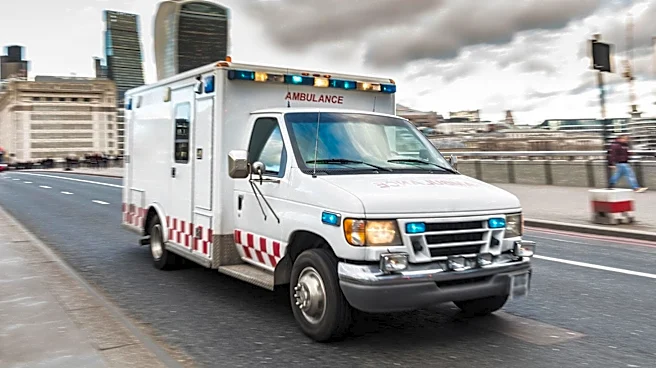
Urgent Life Support and Expertise (PULSE) program. The PULSE initiative is a regional emergency medical response program designed to bring blood transfusion capabilities and emergency physicians directly to the scenes of severe crashes. This project is a key component of NVCOG’s broader NVision Zero strategy, which aims to eliminate traffic fatalities and serious injuries on the region’s roads by 2060. NVCOG was the first Council of Governments in Connecticut to adopt a Vision Zero commitment in 2022, and this award will help implement post-crash care strategies outlined in their Vision Zero Action Plan. The partnership with Trinity Health Of New England brings together transportation planners, healthcare professionals, and emergency responders to achieve this shared goal.
Why It's Important?
This $2.4 million grant is crucial for enhancing emergency medical services in the Naugatuck Valley Region, directly impacting the survival rates and recovery outcomes for individuals involved in severe traffic accidents. By enabling prehospital blood transfusions and on-scene physician care, the PULSE program addresses a critical gap in immediate trauma response, where timely interventions can significantly reduce mortality and long-term disability. The initiative also extends its public safety benefits beyond transportation safety, as the blood transfusion equipment will be utilized for other traumatic emergencies throughout the region. This investment underscores a commitment to public health and safety, potentially saving numerous lives and reducing the societal burden of severe injuries. For residents and commuters in the Naugatuck Valley, this means a more robust and responsive emergency medical system, offering a higher level of care at the most critical moments.
What's Next?
With the $2.4 million award secured, NVCOG and its partners, including Trinity Health Of New England, are poised to begin implementing the strategies outlined in the Vision Zero Action Plan. The immediate next steps will involve deploying the blood transfusion capabilities and emergency physicians to crash scenes, as well as integrating these services into the existing emergency medical response framework. The program will likely focus on training emergency personnel, acquiring necessary equipment, and establishing operational protocols for on-scene blood transfusions. Ongoing monitoring and evaluation of the PULSE program's effectiveness will be essential to measure its impact on reducing traffic fatalities and serious injuries. This initiative is expected to serve as a model for other regions seeking to improve post-crash care and advance their Vision Zero goals.
Beyond the Headlines
The NVCOG's initiative highlights a growing trend in emergency medicine towards advanced prehospital care, recognizing that critical interventions performed at the scene can dramatically alter patient outcomes. This move towards bringing complex medical procedures, like blood transfusions, directly to the point of injury challenges traditional emergency response models and emphasizes a proactive approach to trauma care. The collaboration between a council of governments, a healthcare provider, and emergency responders also sets a precedent for inter-organizational partnerships in public safety. This integrated approach not only improves immediate medical response but also fosters a more resilient community health infrastructure, capable of addressing a wider range of traumatic emergencies. The long-term success of such programs could influence national standards for prehospital care and trauma management.