







What's Happening?
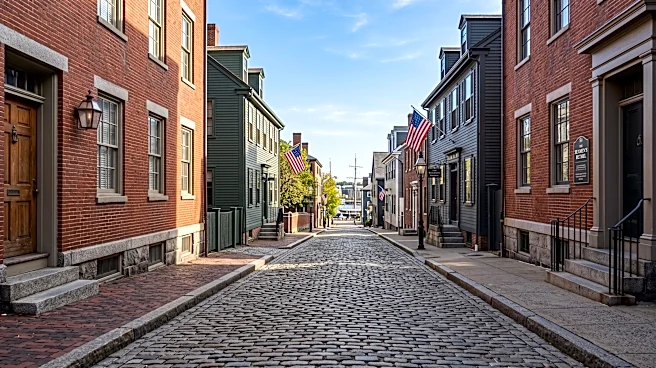
New Bedford Whaling National Historical Park is providing free weekly walking tours until October 11, 2026. These tours offer participants the opportunity to explore the park's rich history and natural environment. Visitors can meet a park ranger or volunteer
either inside the visitor center or in the garden to begin their guided experience. The tours are structured with two distinct themes: 'Exploring Extraordinary Whales' and 'Whaling in New Bedford.' The 'Exploring Extraordinary Whales' tour, held on Wednesdays at 10:30 a.m., focuses on the biological aspects of whales, including their size, adaptations, communication methods, and migration patterns. It also delves into the historical connections between whales and New Bedford's past, as well as global industries. The 'Whaling in New Bedford' tour, scheduled for Wednesdays at 2:30 p.m., concentrates on the city's historical significance as a major whaling port and its role within the global maritime economy, industry, and commerce. The visitor center's main entrance is located on William Street, with an accessible entrance available through the visitor center garden.
Why It's Important?
These free walking tours are important for several reasons, primarily in their contribution to public education and historical preservation. By offering detailed insights into New Bedford's whaling history and the natural world of whales, the park helps to maintain awareness of a significant period in American industrial and maritime development. The tours provide an accessible way for both residents and tourists to engage with local heritage, fostering a deeper understanding of the economic and cultural forces that shaped the region. For the local economy, these free attractions can draw visitors to New Bedford, potentially boosting tourism and supporting local businesses. Furthermore, the educational component about whale biology and conservation can raise environmental awareness, highlighting the long-term impact of human activities on marine ecosystems. The accessibility of the tours, being free and offering an accessible entrance, ensures that a broad demographic can participate, promoting inclusivity in historical and environmental education.
What's Next?
The New Bedford Whaling National Historical Park will continue to offer these free weekly walking tours through October 11, 2026. Visitors interested in participating should check the park's schedule for any potential changes in tour times or themes, although the current schedule indicates consistent offerings on Wednesdays. The park may also continue to evaluate the popularity and impact of these tours to determine future programming beyond the current end date. Stakeholders, including local tourism boards and educational institutions, will likely monitor the success of these initiatives to potentially develop similar programs or expand existing ones. The ongoing availability of these tours suggests a sustained commitment to public engagement and historical interpretation by the National Historical Park, providing a consistent educational resource for the community and visitors.
Beyond the Headlines
Beyond the immediate educational benefits, these walking tours contribute to a broader narrative of how historical sites engage with contemporary issues. By connecting New Bedford's whaling past with the biology and conservation of whales, the tours subtly address themes of environmental stewardship and the evolution of human-nature relationships. This approach encourages visitors to reflect on the ethical dimensions of historical industries and their long-term ecological consequences. The tours also serve as a model for how national parks can leverage their resources to provide free, accessible, and engaging educational content, fostering a sense of community and shared heritage. The emphasis on both the historical economic impact and the natural history of whales highlights the interdisciplinary nature of understanding our past and its relevance to current environmental challenges, promoting a holistic view of history and ecology.