


What's Happening?
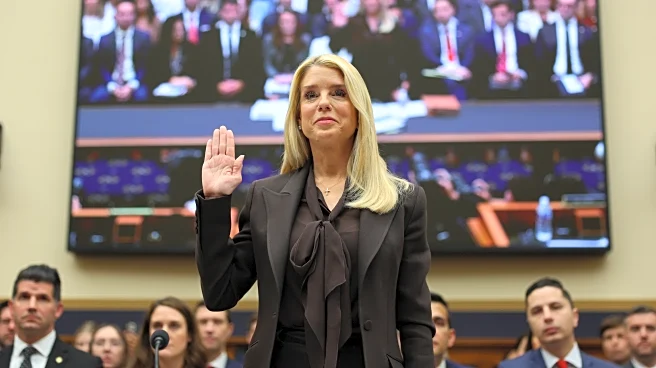
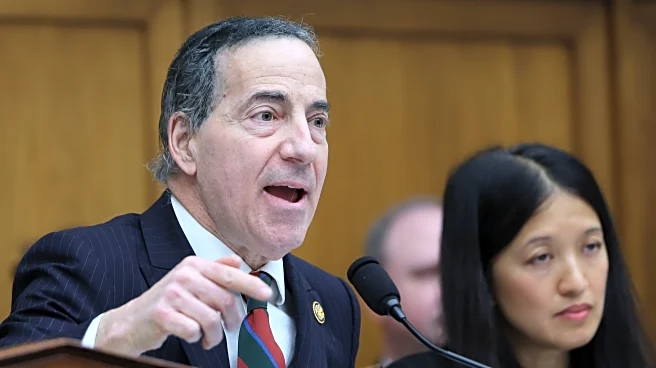
During a recent House hearing, Attorney General Pam Bondi responded to criticism from Democratic Representative Lou Correa regarding redactions in the Justice Department's files on Jeffrey Epstein. Bondi assured that any men's names that were improperly
redacted would be unredacted. This statement comes amid ongoing scrutiny of the Justice Department's handling of Epstein-related documents, which have been partially withheld from public disclosure. The department's actions have drawn bipartisan criticism, with lawmakers demanding greater transparency and accountability in the release of these sensitive files.
Why It's Important?
The decision to potentially unredact names in the Epstein files is significant as it could reveal new information about individuals connected to Epstein's criminal activities. This move may impact public perception of the case and the individuals involved, potentially leading to legal and reputational consequences. The controversy also highlights the challenges faced by the Justice Department in balancing privacy concerns with the public's right to know, especially in high-profile cases involving powerful figures. The outcome of this situation could set a precedent for how similar cases are handled in the future.
What's Next?
As the Justice Department reviews the redactions, there may be increased pressure from lawmakers and the public for a comprehensive release of the Epstein files. This could lead to further investigations and potential legal actions against individuals named in the documents. Additionally, the department may face calls for policy changes to ensure greater transparency and accountability in the handling of sensitive information. The situation is likely to remain a focal point in discussions about government transparency and the handling of high-profile criminal cases.