
What's Happening?
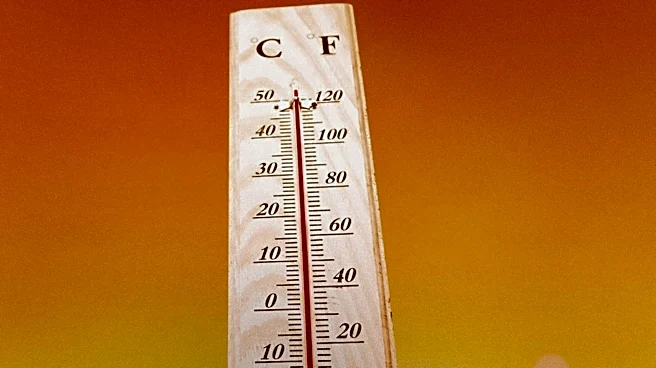
Italy has placed all its major cities on the highest level of health alert due to soaring temperatures, marking an unprecedented response to the ongoing heatwave gripping Europe. This extreme weather has pushed temperatures above 40°C in several countries,
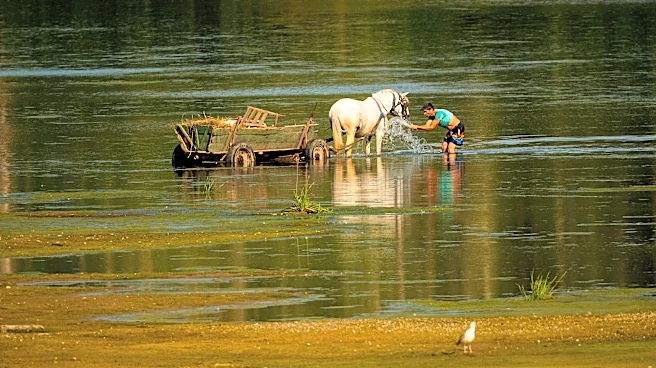
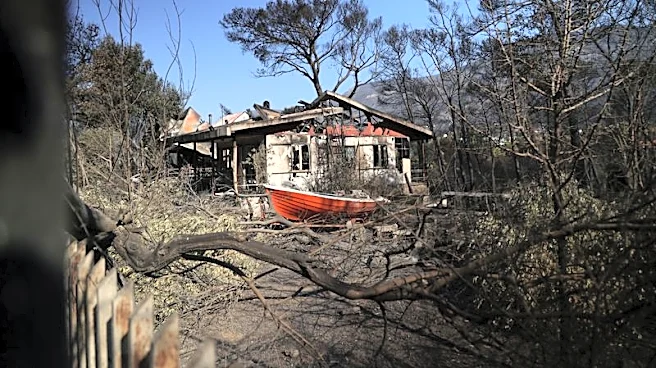
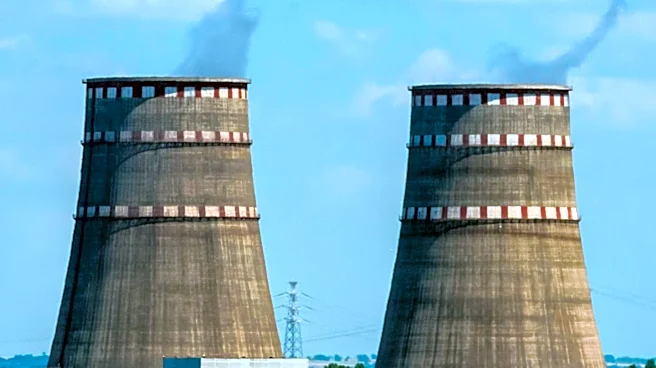
including Austria, which set a new national temperature record. The heatwave has also led to significant disruptions in energy and transportation systems across the continent. In Hungary, the government has turned off decorative lighting at state institutions and reduced output at its nuclear power plant due to low water levels in the Danube River, which is used for cooling. The European Union is urging member countries to invest more in wildfire risk reduction measures as the economic cost of this summer's blazes has already exceeded €15 billion.
Why It's Important?
The heatwave highlights the vulnerabilities in Europe's infrastructure and public health systems, which are increasingly strained by extreme weather events. The economic impact is substantial, with disruptions to energy supplies and transportation networks. The situation underscores the urgent need for climate adaptation strategies to mitigate the effects of such extreme weather. The heatwave also poses a significant health risk, particularly to vulnerable populations, and has already resulted in thousands of excess deaths across Europe. The economic and social costs of these events are likely to increase as climate change continues to drive more frequent and intense heatwaves.
What's Next?
European countries are expected to continue grappling with the consequences of the heatwave, including potential further disruptions to energy and transportation systems. Governments may need to implement additional emergency measures to protect public health and safety. The European Union's call for increased investment in wildfire risk reduction could lead to new policies and funding initiatives aimed at enhancing climate resilience. The ongoing heatwave may also prompt a reevaluation of energy and water management strategies across the continent.