


What's Happening?
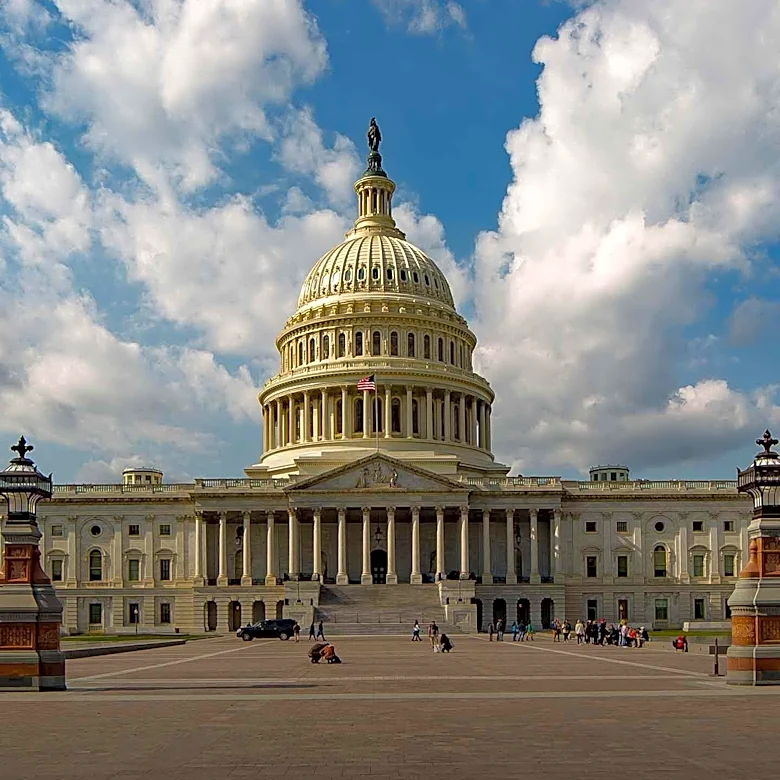
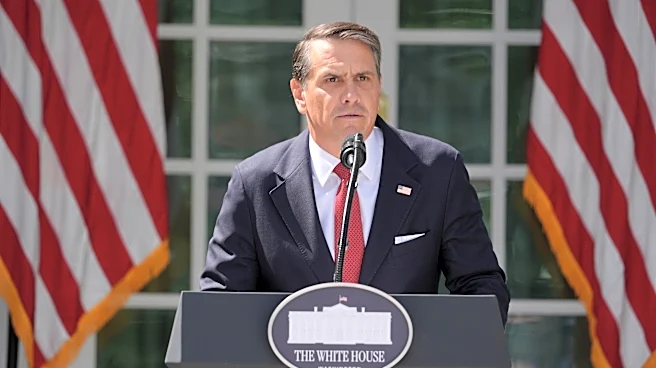
Representative Mike Thompson, alongside 106 other lawmakers, has called upon House Speaker Mike Johnson to reconvene the House of Representatives to address bipartisan artificial intelligence (AI) safeguards. The lawmakers' letter highlights recent disclosures
that have brought to light potential risks associated with advanced AI technologies. These concerns encompass a range of issues, including potential job displacement, increased vulnerability to cybersecurity breaches, and the possible misuse of AI in the development of biological or chemical weapons. The group advocates for a congressional debate on various proposals, such as the implementation of transparency rules, thorough model evaluations, and other essential safety measures to mitigate these risks. The letter also criticizes the current House schedule, arguing that leadership has delayed action on AI safeguards by scheduling extended breaks, and insists that the House should remain in session until these critical issues are addressed.
Why It's Important?
The push by Representative Thompson and his colleagues for immediate action on AI safeguards underscores a growing recognition within the U.S. political landscape of the profound and multifaceted impact of artificial intelligence. The concerns raised, particularly regarding job losses, cybersecurity, and the potential for misuse in weaponry, highlight significant societal and national security implications. Unregulated or inadequately regulated AI development could lead to widespread economic disruption, exacerbate existing social inequalities, and introduce new threats to national security. Establishing transparency rules and model evaluations is crucial for building public trust and ensuring accountability in AI development. The bipartisan nature of this call suggests a broad consensus on the urgency of the issue, indicating that AI regulation is likely to become a central theme in future legislative sessions, affecting technology companies, defense strategies, and the American workforce.
What's Next?
Following this urgent appeal, the immediate next step will be Speaker Johnson's response to the request to reconvene the House for AI discussions. If the House does reconvene, the legislative process will likely involve drafting and debating specific bills related to AI regulation. This could include proposals for federal agencies to oversee AI development, mandates for AI developers to conduct impact assessments, and the allocation of resources for AI safety research. Stakeholders such as technology companies, civil liberties groups, and defense contractors will likely engage in lobbying efforts to influence the direction of these regulations. The outcome could range from comprehensive legislative frameworks to more incremental policy adjustments, depending on the political will and the ability of lawmakers to find common ground on this complex issue. The debate will also likely set precedents for how the U.S. approaches emerging technologies in the future.
Beyond the Headlines
Beyond the immediate legislative push, the call for AI safeguards touches upon deeper ethical and philosophical questions about the role of advanced technology in society. The concerns about job displacement raise fundamental questions about the future of work and the need for new social safety nets or educational programs to adapt the workforce. The potential for AI misuse in biological or chemical weapons highlights the dual-use dilemma inherent in many advanced technologies, forcing a re-evaluation of international arms control treaties and the development of new norms for responsible AI use. Furthermore, the debate over transparency and model evaluation delves into the 'black box' problem of AI, where even developers may not fully understand how complex algorithms arrive at their decisions. Addressing these issues will require not only legislative action but also a broader societal dialogue about the values and principles that should guide the development and deployment of artificial intelligence.