




What's Happening?
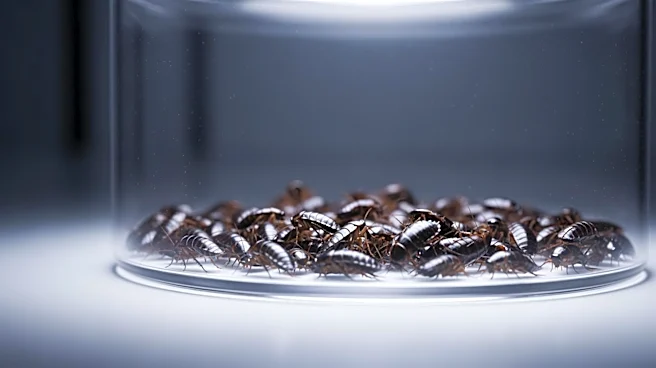
Australian authorities have conducted a significant biosecurity operation, seizing over 100,000 live exotic cockroaches from a commercial breeder in New South Wales. This operation is reported to be the largest confiscation of prohibited invertebrates
in the country's history. The seized insects, including Madagascar hissing cockroaches and dubia cockroaches, were valued at approximately AUD 200,000 (USD 142,000). These species are illegal to import, breed, sell, or keep in Australia due to strict biosecurity regulations aimed at protecting the country's agriculture and native ecosystems. The authorities suspect that the cockroaches were bred for the exotic pet market or as reptile feed. Despite the seizure, no charges have been filed against the breeder, and the confiscated cockroaches are set to be euthanized.
Why It's Important?
This seizure underscores Australia's stringent biosecurity measures designed to prevent the introduction of invasive species that could harm local wildlife and agriculture. The presence of exotic species like the Madagascar hissing cockroach poses a potential threat as they have not undergone environmental risk assessments. If released, they could spread diseases or disrupt local ecosystems. The operation highlights the ongoing challenges faced by authorities in regulating and enforcing biosecurity laws, especially in the context of the exotic pet trade. The incident also serves as a reminder of the economic implications, as the illegal trade of such species can undermine legal markets and pose risks to biodiversity.
What's Next?
While no charges have been filed yet, the situation may prompt further investigations into the exotic pet trade and its compliance with biosecurity laws. Authorities may increase monitoring and enforcement efforts to prevent similar incidents. Reptile owners and breeders might face stricter regulations and be encouraged to use legal alternatives for reptile feed. This incident could also lead to public awareness campaigns about the importance of biosecurity and the risks associated with illegal wildlife trade.
Beyond the Headlines
The seizure raises ethical questions about the exotic pet trade and the responsibilities of breeders and pet owners in ensuring compliance with environmental laws. It also highlights the cultural fascination with exotic pets and the potential consequences of this trend on biodiversity. Long-term, this incident could influence policy changes and stricter enforcement of biosecurity regulations, as well as foster international cooperation to combat illegal wildlife trade.