






What's Happening?
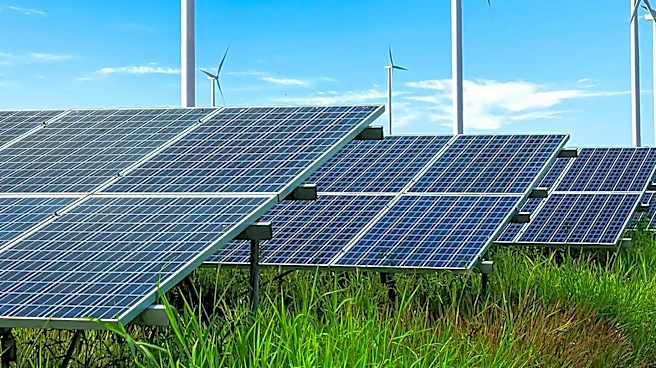
The European Union is taking significant steps to address energy storage challenges as part of its strategy to prevent future energy crises. With the rapid expansion of renewable energy sources like wind and solar, the EU has recognized the need to enhance
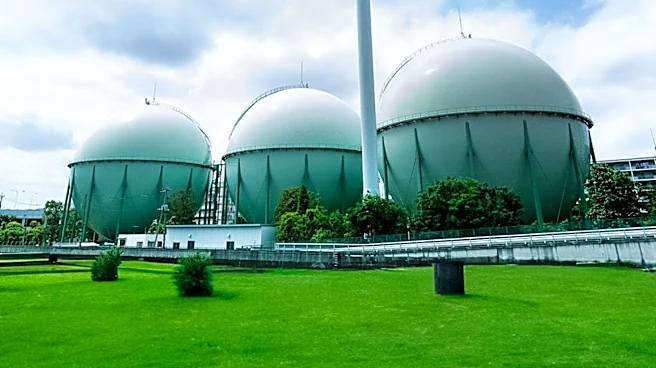
its energy storage capacity to manage surplus energy and stabilize the grid. A recent agreement among EU energy ministers aims to triple the bloc's energy storage capacity by 2030, addressing issues of energy waste and market volatility.
Why It's Important?
Energy storage is crucial for balancing supply and demand, especially with the increasing reliance on intermittent renewable energy sources. By improving storage capacity, the EU can reduce its dependence on fossil fuels and enhance energy security. This move is also expected to attract investment in the renewable energy sector, supporting the EU's transition to a low-carbon economy. Effective energy storage solutions can mitigate the impact of energy price fluctuations and ensure a stable energy supply, benefiting both consumers and the environment.
What's Next?
The EU will focus on implementing the new energy storage targets, with member states working to add significant storage capacity by 2028. This will involve investments in technology and infrastructure to support the integration of renewable energy into the grid. The success of these efforts will depend on continued political commitment and collaboration among EU countries. As the EU progresses towards its energy goals, it will need to address potential challenges related to technology deployment and regulatory frameworks.